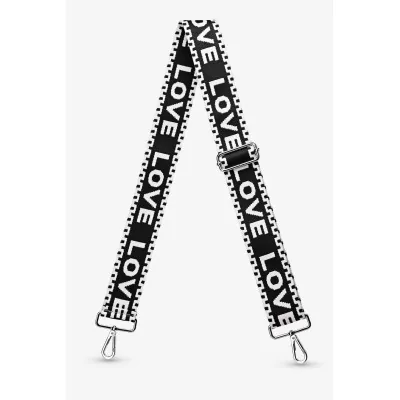
Availability: 2 In Stock

A fabric shoulder strap clips onto the rings of a handbag you already own and changes how it looks in a matter of seconds, without buying another bag.
The selection covers ethnic, bohemian and geometric prints, one nautical design and one with lettering, in colour pairings that run from camel and brown to royal blue. Each product page gives the width, the adjustment range and the type of hook, so you can check them against the bag you want to use it on.
Useful for bringing a tired bag back into rotation, for shifting a look between seasons, or for turning a small clutch into a hands-free bag.
There are 16 products.
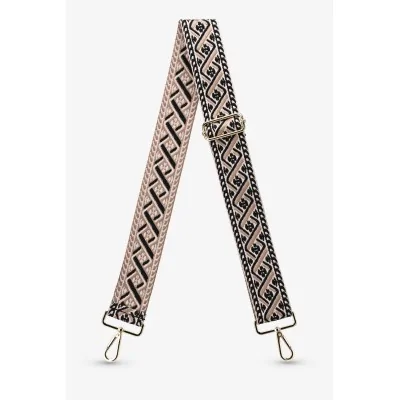
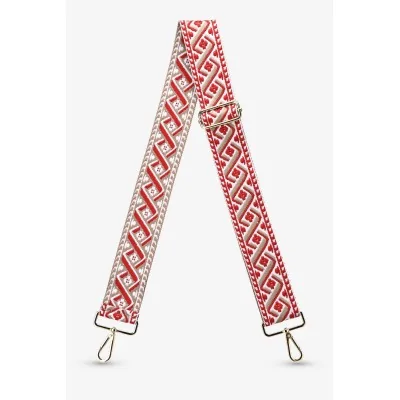
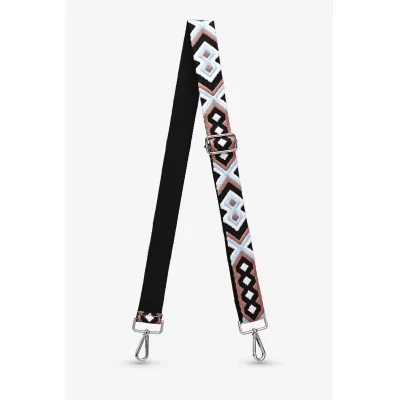
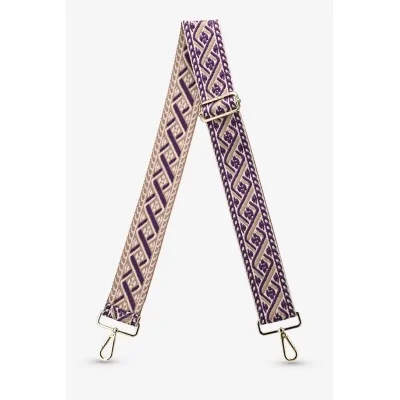
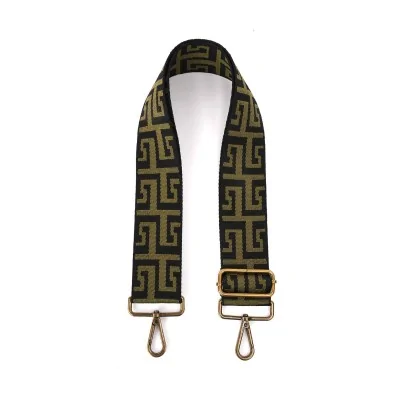
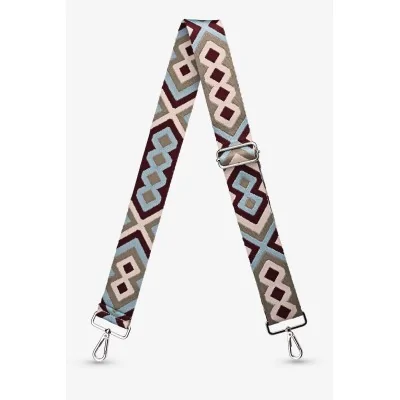
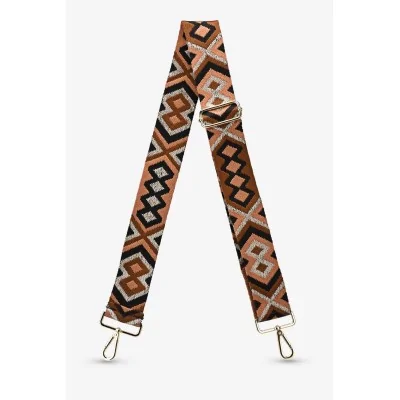
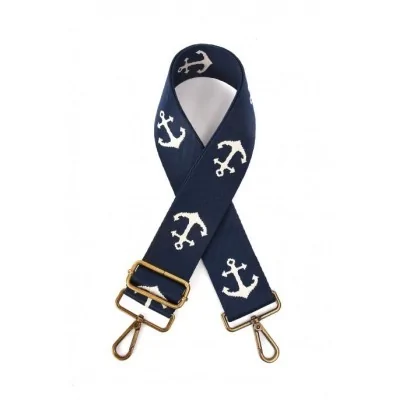
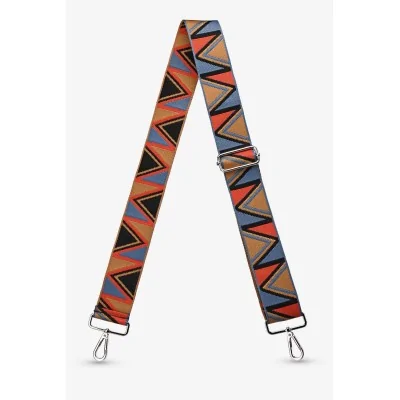
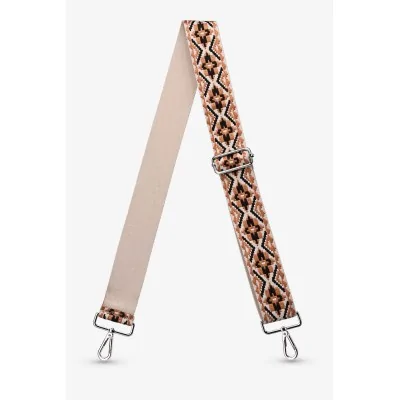
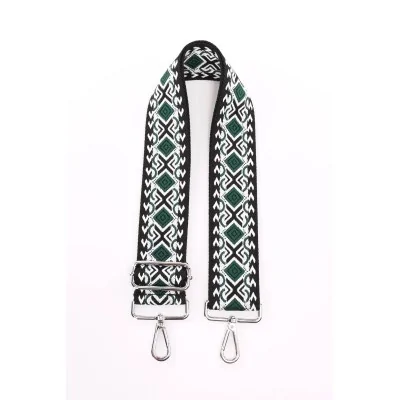
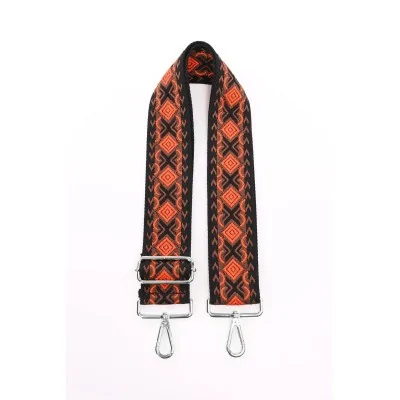
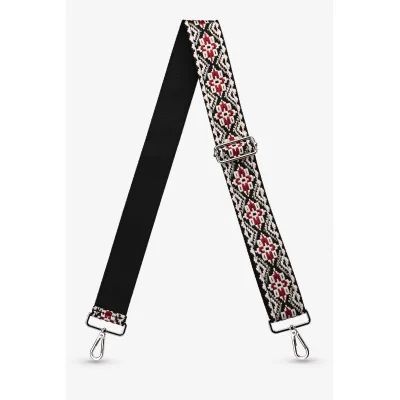
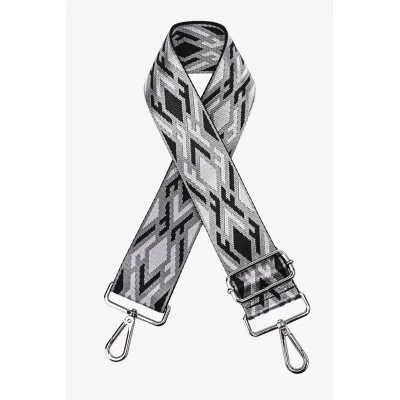
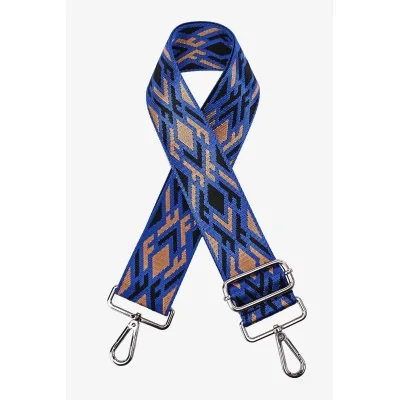
Every wardrobe has that one bag: still perfectly good, just tired of being seen. Unclip the strap, clip on another, and it reads as a different bag entirely. That is the whole point of a printed strap you can change in seconds, without emptying a single pocket.
Three things, mostly. A bag you had stopped reaching for comes back into rotation. A dark winter bag lightens up in spring without buying a second one. A plain tote also picks up a bit of character, which is harder to buy than it sounds.
There is a practical side too. A strap folds flat into a drawer or a suitcase and moves between several bags, so for something that takes up almost no space, it earns its keep.
Start with the rings on your bag: the hooks need to pass through without being forced. It is the one thing that genuinely stops a swap. Where a strap is stitched straight onto the bag, a cobbler can fit rings, which is routine repair work rather than a custom job.
After that, each product page lists the width and the adjustment range, the two numbers worth checking against the way you actually carry the bag. A wider strap spreads the weight of a loaded tote; a narrower one disappears on a small bag.
One detail that rarely gets a mention: the slider needs to stay within reach once the strap is on. If it ends up buried behind the bag, changing the length turns into a small performance every time.
Length and position do most of the work. The same strap reads very differently depending on how you set it.
| Position | Set the length to | Works best on |
|---|---|---|
| Crossbody | The longer end of the range | A tote or a bucket bag for city days |
| Shoulder | Roughly halfway | A structured handbag, for the office |
| In the hand | The shortest setting | A small evening bag or a clutch |
Two more uses, while we are here. Clipped to a printed textile clutch, a strap turns a small pouch into a hands-free bag for the evening. There is also nothing stopping you leaving the original strap on the bag and clipping on whichever one suits the day.
Fabric ages well with very little effort. A damp cloth and mild soap deal with most marks; dry the strap flat afterwards, away from radiators and hairdryers, which dull the colours faster than daylight does.
Store a printed strap out of direct sun and it keeps its colours far longer than one left hanging by a window. It is also worth opening and closing the hooks now and then, since moving parts are always the first to wear.
On wet days, unclip the strap and lay it out to dry rather than leaving it coiled while still damp, which leaves a permanent kink. And if you wear one crossbody against a dark leather jacket, glance at the friction points occasionally, because colour can transfer from leather onto fabric.
A strap is rarely bought on its own. It sits naturally next to the handbags it was designed for, and the rest of the leather goods range. It tends to be the last piece you add, and the one you end up buying again.