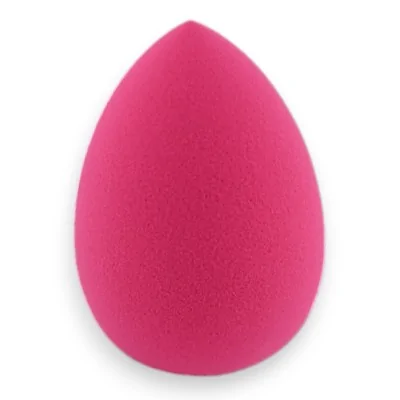
Availability: 1 In Stock

Teardrop makeup sponges in latex-free foam, 6 cm tall, made for pressing foundation, BB cream and concealer into the skin rather than dragging it across the surface. The rounded base handles cheeks and forehead, the tip reaches under the eye and around the nose, the flat side softens the jawline.
Dampen it, squeeze it out, and the sponge stops drinking your foundation and starts blending it. Shades come and go with each delivery; the shape and the size stay put.
There are 9 products.
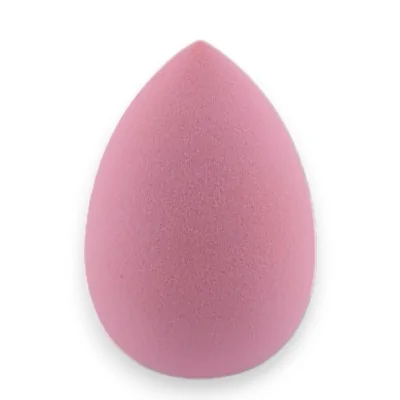
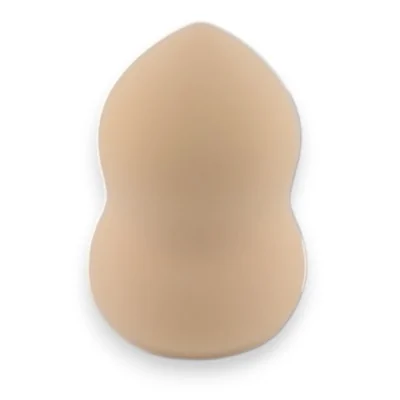
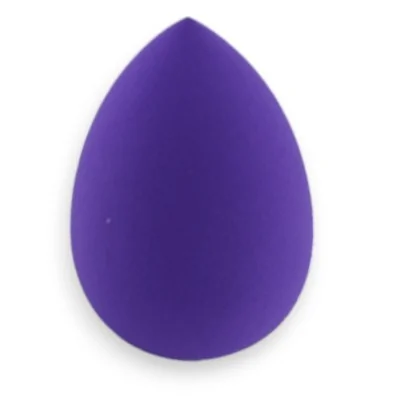
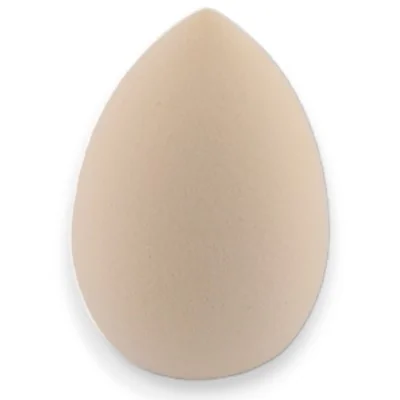
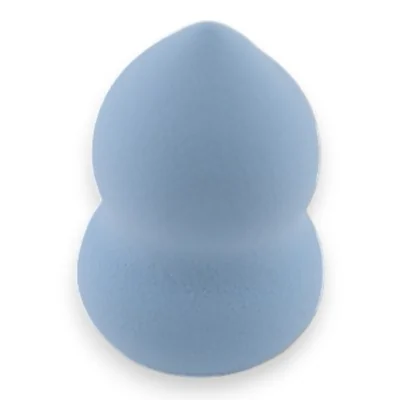
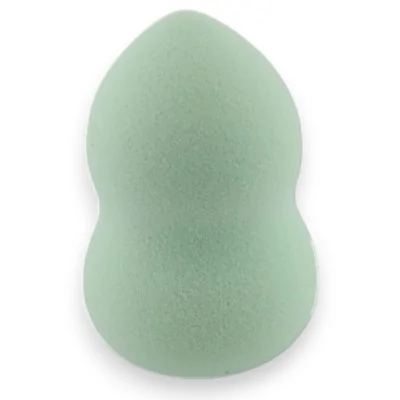
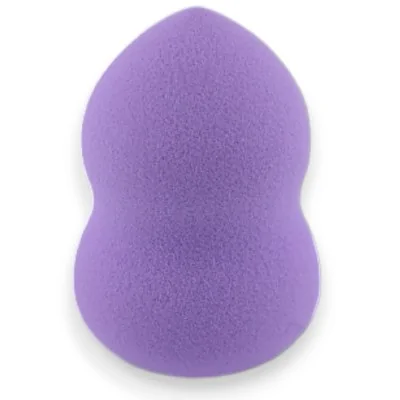
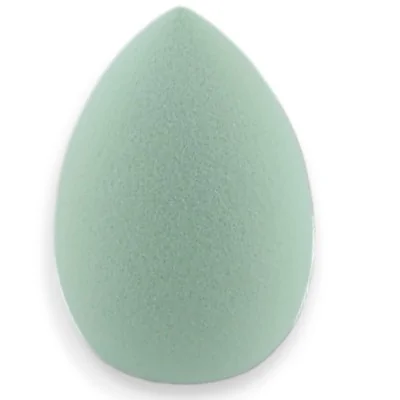
A makeup sponge earns its place when it stops you thinking about your base. Ours are teardrop shaped, 6 cm tall and cut from latex-free foam, so they sit comfortably between thumb and forefinger and hold water without going soggy. Everything below is about getting the most out of that one small tool.
One sponge, two behaviours. Run it under the tap and the foam cells fill with water, so less product sinks in and more of it reaches your face. Leave it dry and the same foam grips powder, putting down a fine veil rather than a patch. Most blending problems come down to this one decision, made in a couple of seconds at the sink.
| Sponge state | Best suited to | Finish you get |
|---|---|---|
| Damp, squeezed out | Foundation, BB cream, liquid concealer | Sheer and skin-like, no visible edges |
| Dry | Loose powder, bronzer, cream products you want to build | Fuller coverage, powder sitting light and even |
Wring it out in your palm until it has swollen without dripping. Too dry and it swallows the product; too wet and it thins it down to nothing.
A brush pushes product along the skin and leaves fine lines where the bristles pass. Fingers warm the formula and drop it unevenly. A damp sponge does neither: it presses pigment down, not sideways, lifting the surplus as it goes. Texture stays visible, which is what stops a base looking painted on.
The tip matters as much as the body. It slips into the crease below the lash line without stretching thin skin, and reaches the corner beside the nostril where a flat brush skids. That is the practical case for a teardrop over a round or wedge shape.
Bounce, never rub, and build in passes rather than loading everything at once. Each stage calls for a different part of the sponge.
Tap a few dots onto the back of your hand, pick them up with the rounded base and work outwards from the middle of the face, where coverage is usually wanted most. Take the last of it down over the jaw so nothing stops in a line at the chin. One sponge covers the whole face comfortably.
Draw an upside-down triangle under the eye, wide at the lash line and pointed towards the cheek. Come back over it with the tip in short vertical presses, no sweeping, and the concealer settles into the foundation instead of gathering in fine lines. Pushing your fringe back with something soft that holds the hair off your face keeps stray strands out of the way.
Swap to a dry sponge. Press loose powder into the T-zone and under the eye, then take bronzer along the flat side, from the top of the cheekbone towards the temple. That flat face gives a wider, softer edge than any brush tip.
Rinse under warm water after every use with a mild soap or a dedicated cleanser: squeeze, release, repeat until the water runs clear. Leave it out in the open to dry rather than shut in a damp bag, which is where most of the trouble starts. Any sponge that crumbles, stains or holds a smell has reached the end of its life, usually after two or three months of daily use.
For touch-ups away from the bathroom mirror, something small enough to live in your handbag makes the job far easier, and the other beauty tools we stock fill in the gaps.
Foundation left in the foam plus a warm, closed bag. Rinse it after each use and dry it in the open air, and the problem rarely appears.
Two to three months with daily use and a rinse after each application. Wash it less often and that drops sharply.