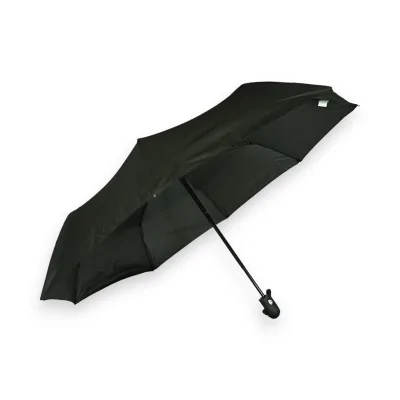
Availability: 1 In Stock

At Mode Tendance, the Vipluie folding umbrellas are easiest to tell apart by their print. Dots, stripes, gingham checks, Liberty florals and one tartan share the shelf. Two numbers sit underneath every print: the folded length and the open diameter. The opening system governs both.
There are 23 products.
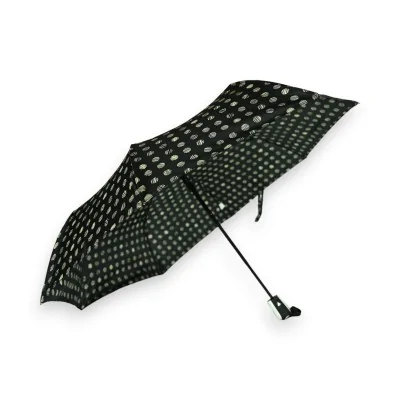
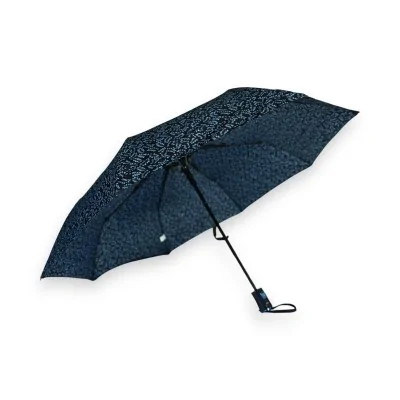
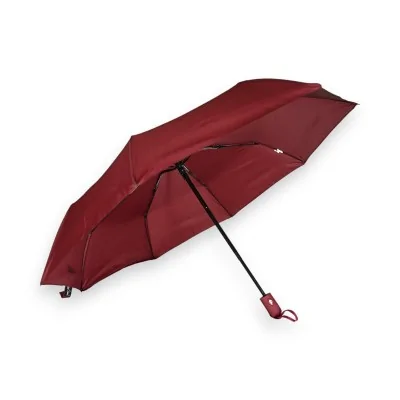
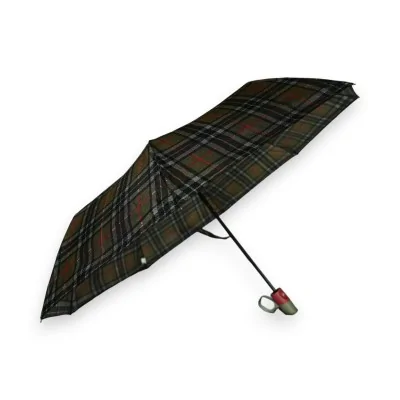
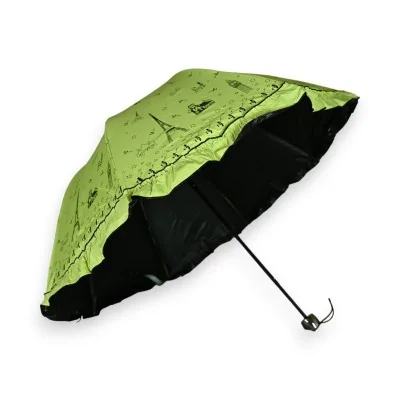
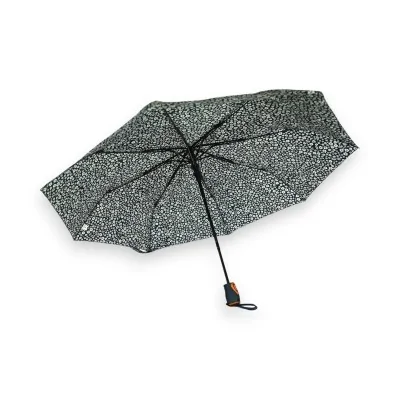
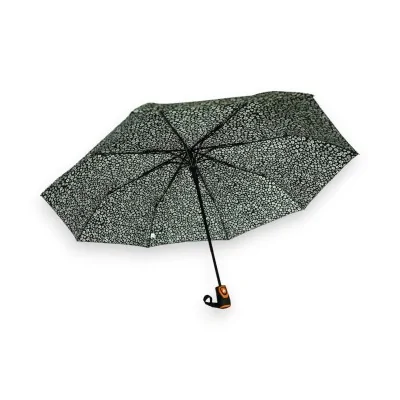
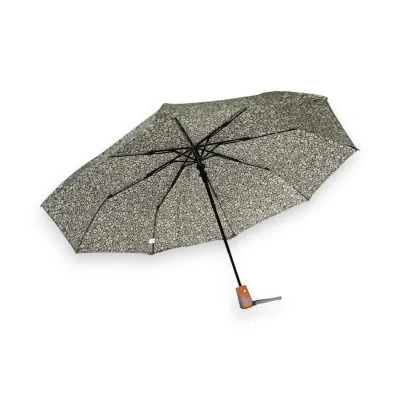
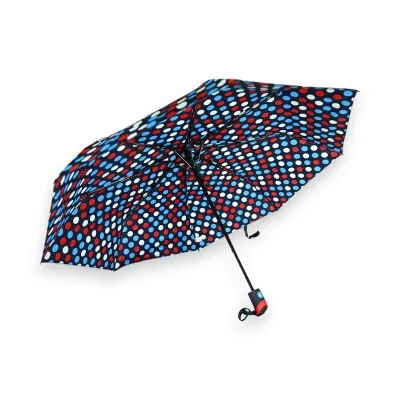
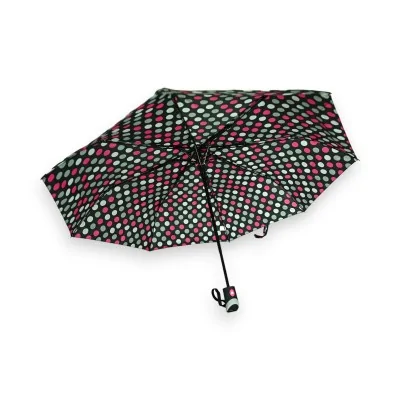
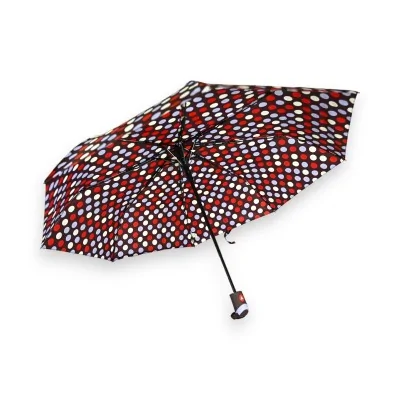
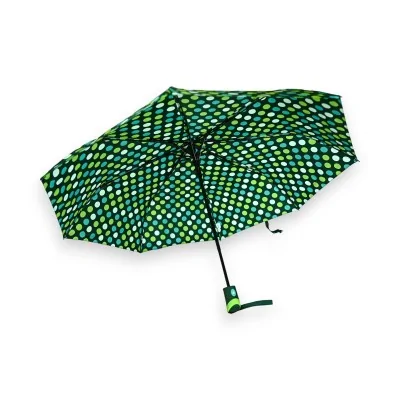
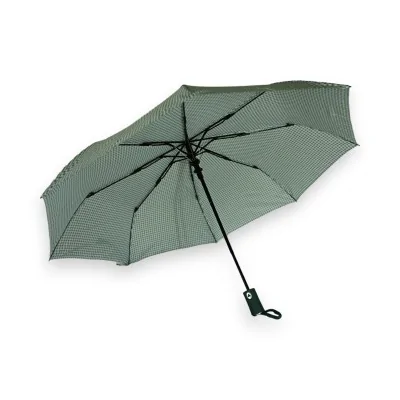
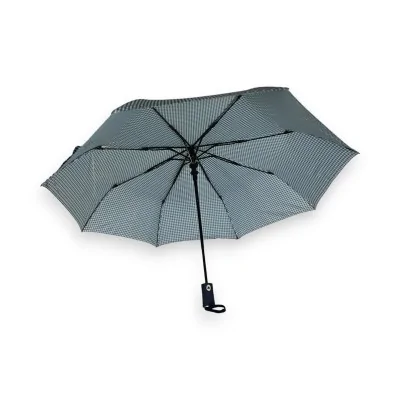
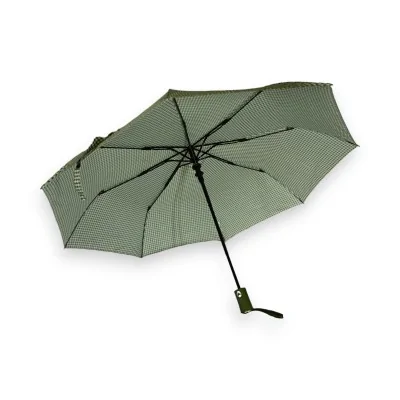
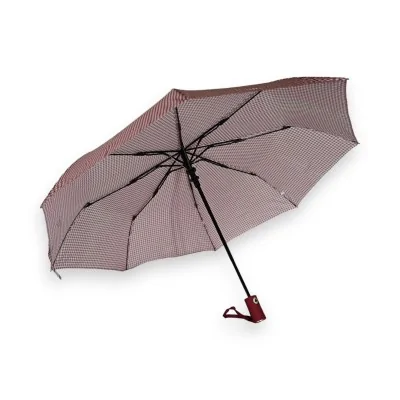
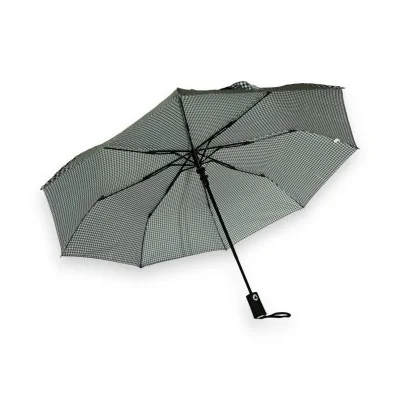
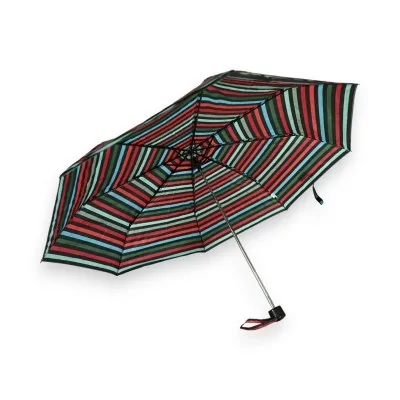
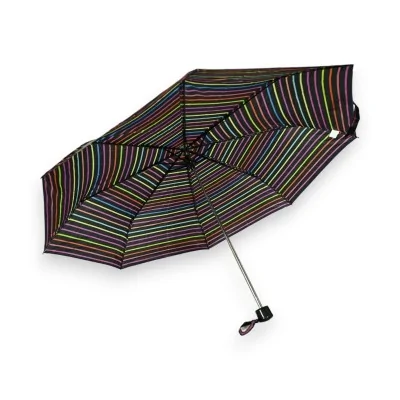
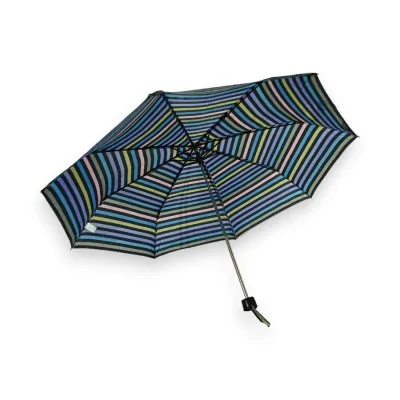
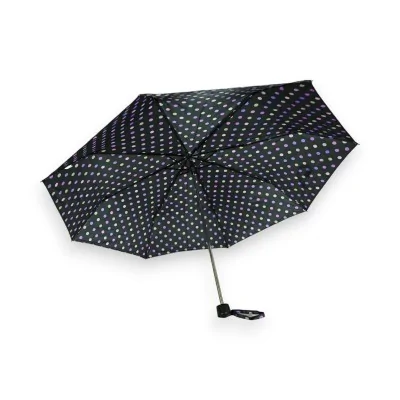
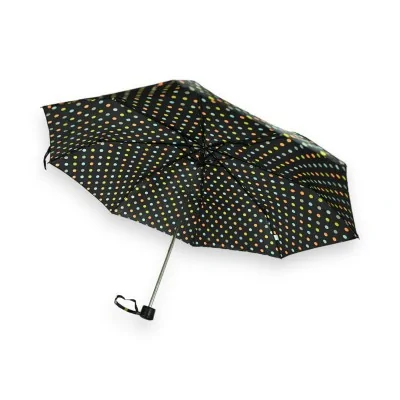
Most people choose an umbrella on looks, and that is a reasonable place to begin here. Dots run right through the range: multicoloured spots on black, plain pink, a green gradient, a red-and-lilac pairing, fuchsia on grey, beige outlines on a black ground, and a red, blue and white tricolour. Stripes come next, either fine and multicoloured or broad in red, blue and green. Gingham gets five colourways to itself, Liberty florals three, and a single tartan check holds the traditional corner. Whichever one you settle on, the same three opening systems recur across the wider umbrella shelf, so the comparison carries over to other brands.
Which colourways belong to which family, and which opening system each family arrives with.
| Print family | Colourways recorded | Opening system |
|---|---|---|
| Polka dots | Multicoloured on black, pink, green gradient, red and lilac, fuchsia and grey, beige outlines on black, red-blue-white | Manual and semi-automatic |
| Stripes | Fine multicoloured, broad red-blue-green, blue-pink-green lines | Manual |
| Gingham | Black, burgundy, khaki, navy, teal | Automatic |
| Liberty floral | Dusty pink, black, navy, all with small white flowers | Semi-automatic |
| Tartan check | One colourway | Automatic |
| Plain and single prints | Burgundy, black, navy leaf print, lime green with frills and Eiffel Towers | Manual and semi-automatic |
The three systems stop being interchangeable the moment the umbrella has to fit somewhere. Manual models push open by hand and fold down shortest, to 24 or 25 centimetres. Semi-automatic ones spring open at the press of a button, then close by hand, at 28 to 30 centimetres folded. With an automatic, the mechanism does both jobs and takes up room to prove it: 31 to 32 centimetres. Every bit of convenience costs folded length, which is why the print rarely settles the choice on its own.
Finish shows up on the handle more than anywhere else. The gingham models take a black handle with silver detailing and arrive in a matching sleeve, as does the tartan. On the Liberty prints, the handle matches the canopy. Two plain models are built on a carbon fibre shaft with a rubber grip, while the navy leaf print uses glossy moulded resin. The beige-outlined dots come with a black and white patterned handle of their own. Handles are worth a look across the accessories shelf too, where the same fittings turn up on bags and belts.
The two figures do not move together, which catches people out. A manual dotted model folds to 24 centimetres yet opens to 96. A gingham automatic takes 31 centimetres folded and stops at 90 open. On the evidence of these product pages, a shorter folded length does not buy a smaller canopy: the widest here, 98 and 100 centimetres, belong to the semi-automatics and to the tartan.
Rain here tends to arrive sideways and without notice, so the choice comes down to what you are already carrying. A manual model at 24 centimetres slips into a small shoulder bag and still gives 96 centimetres of cover. A semi-automatic at 30 centimetres suits a work bag and opens wider, up to 100 centimetres. The automatic earns its extra length on a station platform, when one hand is holding a coffee and the other has only a second free. On colour, gingham and Liberty sit happily against a plain coat; tartan prefers to be the only pattern in sight.