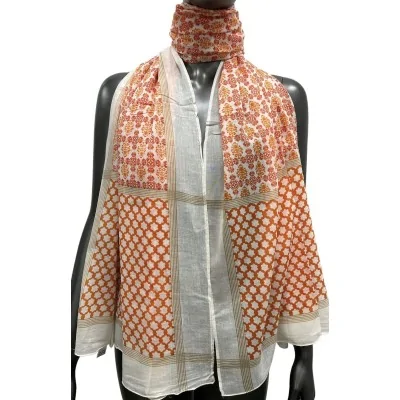
Availability: 2 In Stock

Every scarf in this selection is a 140 x 140 cm square divided into four printed panels . Fold it one way and one design shows; fold it another and a different one takes over.…
Every bandana on this page is the same 55 x 55 cm cotton square, printed with a paisley design. What changes from one to the next is the colour underneath and the ink on top.…
Squares of fabric to knot at the neck, in your hair or around a bag handle. Prints run from paisley to gold geometric linework, leopard and florals. Some models are pleated,…
There are 220 products.
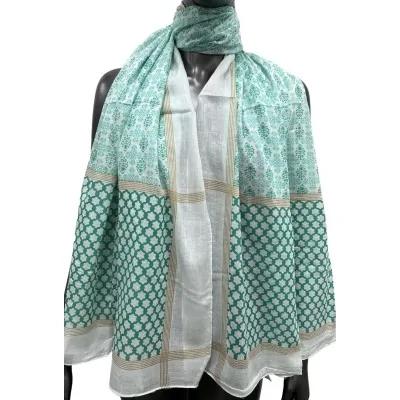
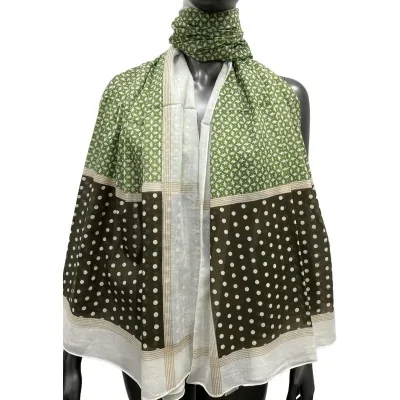
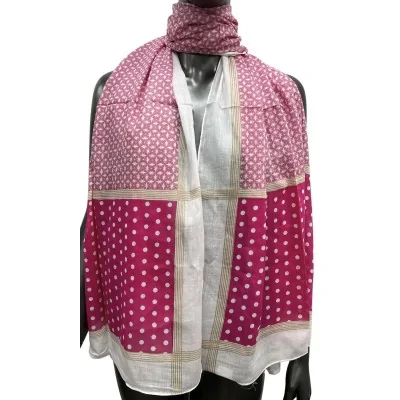
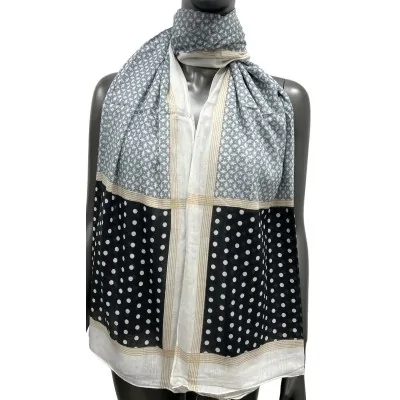
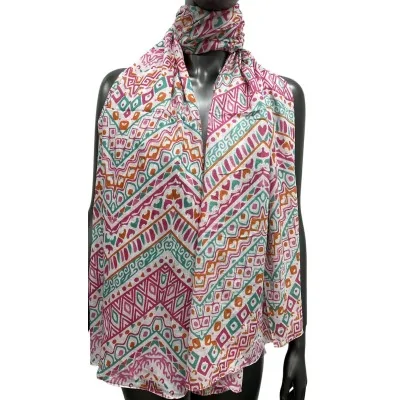
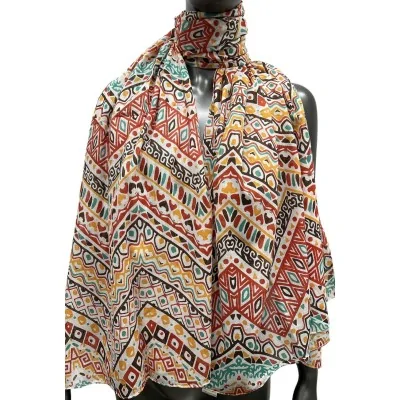
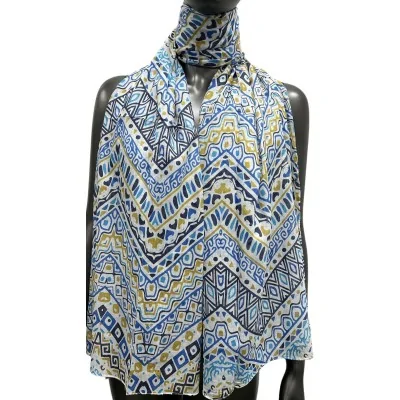
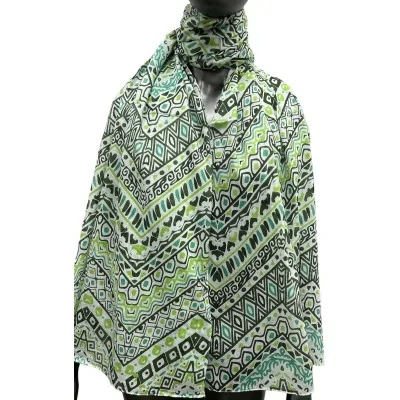
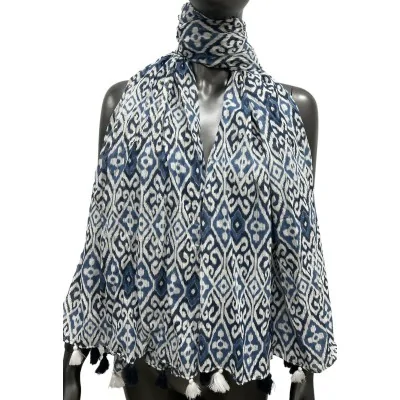
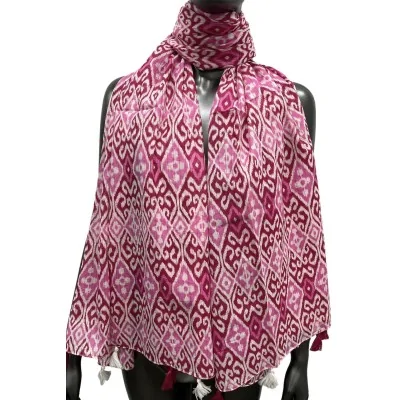
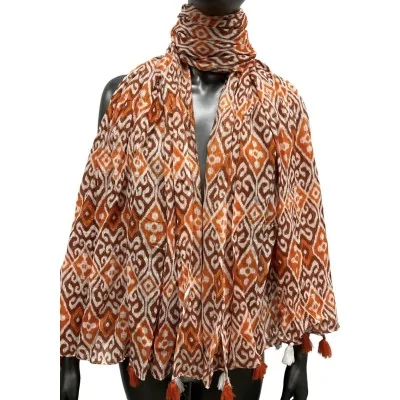
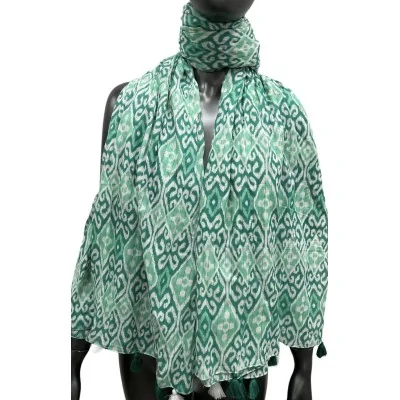
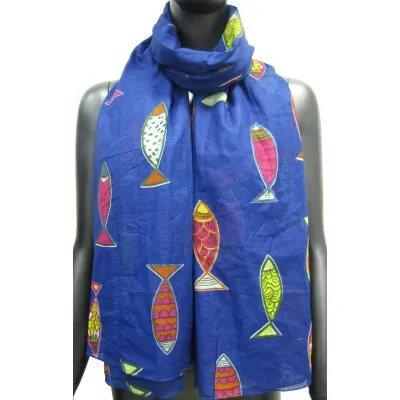
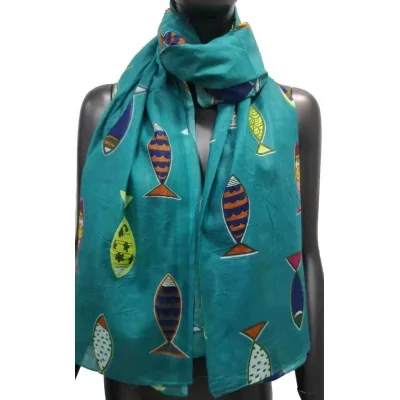
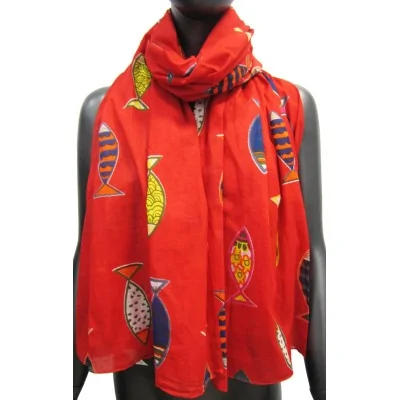
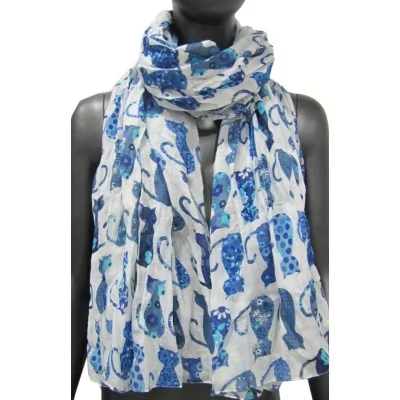
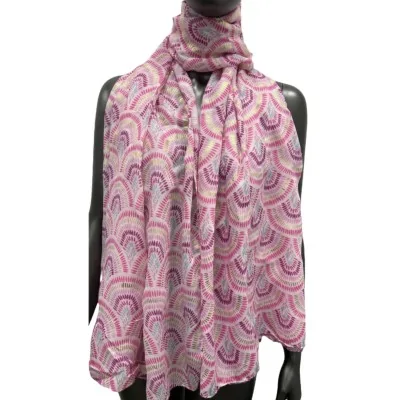
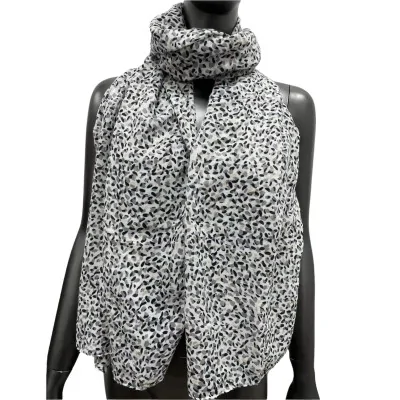
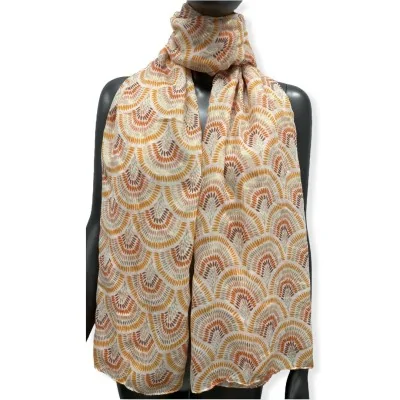
A longer scarf gives you room to drape it, loop it, or leave the ends loose over a coat or knit. A square works differently: fold it into a triangle, roll it into a narrow band or knot it close to the neck. Which one suits you depends on how you want the scarf to sit with the clothes you already wear. If squares are what you reach for most, the dedicated square selection gathers that shape in one place.
| Detail | Why it matters |
|---|---|
| Shape | Square or long, the shape sets which folds and knots work best. |
| Dimensions | They tell you how much volume to expect at the neck and how far the ends will hang. |
| Composition | It names the fabric used for that particular model. |
| Print and palette | They determine whether the scarf blends in quietly or carries a plain outfit on its own. |
| Finishing | Edges, borders and decorative details differ from one design to the next. |
A floral or multicoloured design can become the focal point of a simple outfit. Graphic, animal and patchwork motifs create a sharper contrast, especially next to plain layers. The four-print patchwork designs take that idea furthest, combining several coordinated motifs in one accessory. If your jacket, bag or shoes already carry a strong colour, picking a scarf that echoes one of those shades keeps the outfit together without matching everything.
Two scarves can look close in a thumbnail yet behave differently once folded or draped. A fine, fluid square settles almost flat at the neck, while a denser weave keeps more of its bulk, and a photograph rarely shows which is which. At the smaller end, a 55 x 55 cm cotton bandana sits under a collar rather than adding volume. The measurements given on each product page are what settle the question.
You do not need to repeat every tone in a printed scarf. Picking out one colour already present in your outfit, on a top, a cardigan or a pair of earrings, is often enough to connect the look. Place a lively print against neutral clothing for a calmer result. A darker scarf frames a pale neckline; a bright one lifts a plain outer layer.
Follow the care guidance shown on the product page, and let the scarf dry fully before you put it away. A loosely folded scarf keeps its edges better than one pressed flat under heavier pieces. Keep it clear of zips or jewellery that could snag the weave.