Availability: 1 In Stock

There are 186 products.
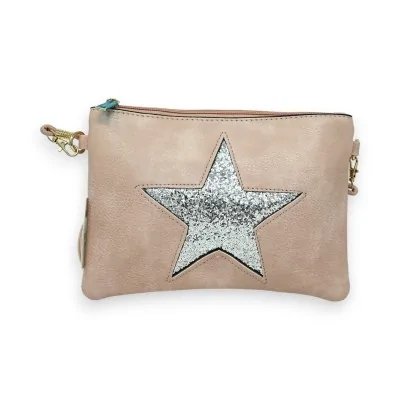
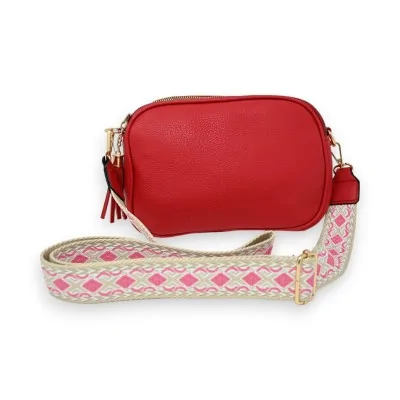
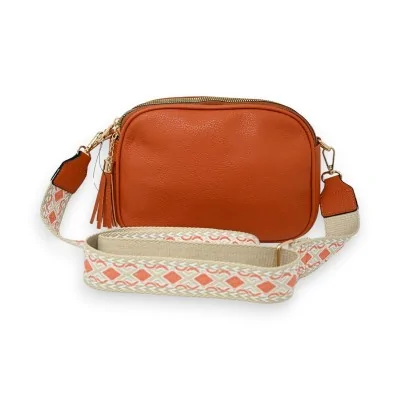
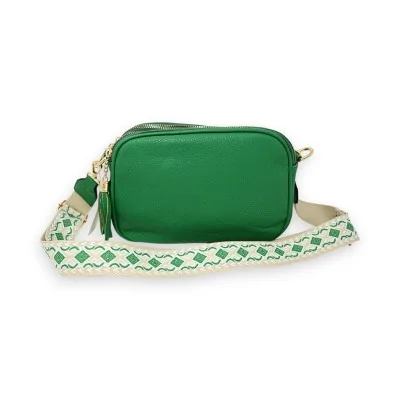
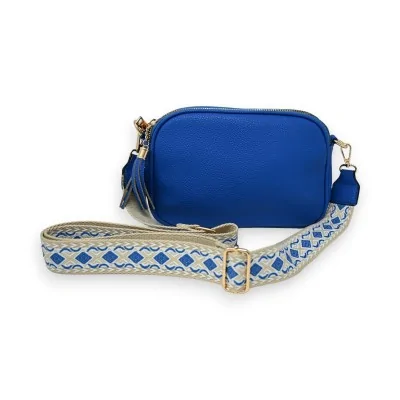
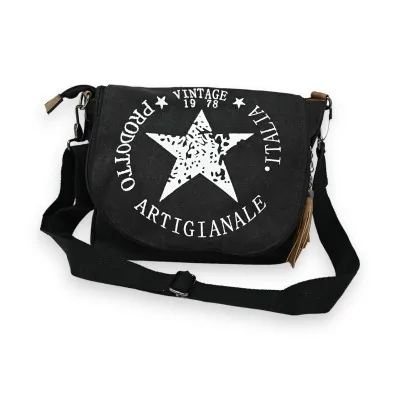
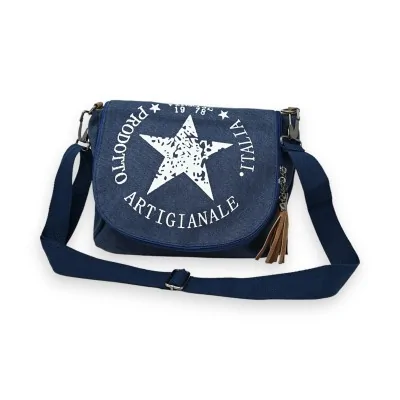
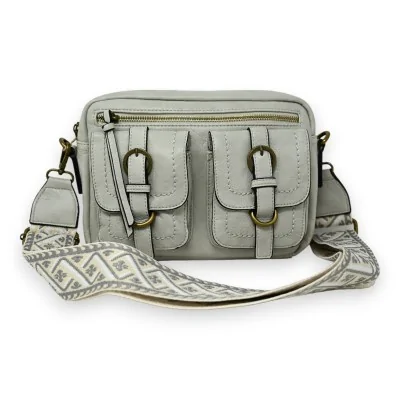
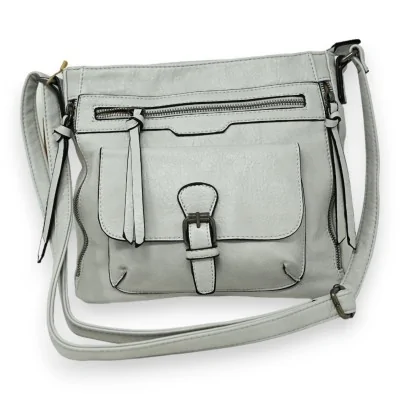
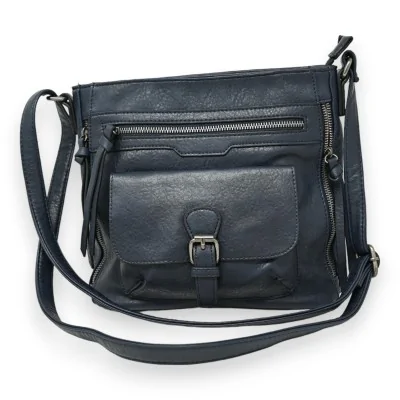
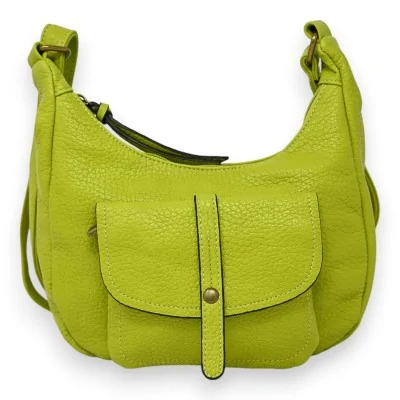
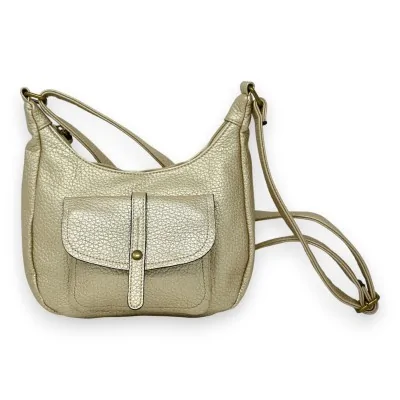
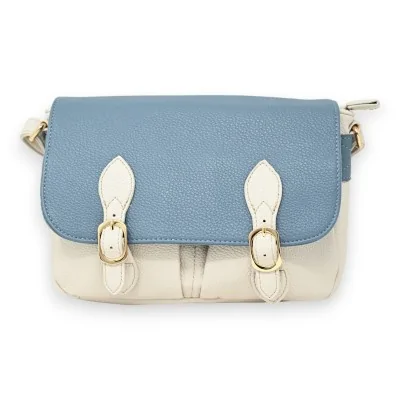
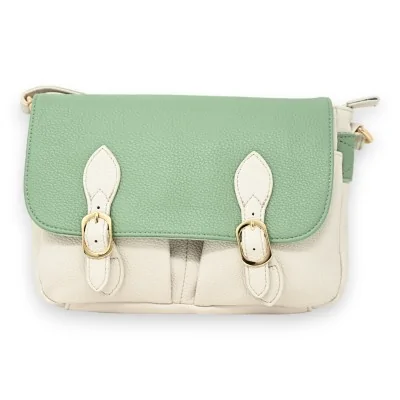
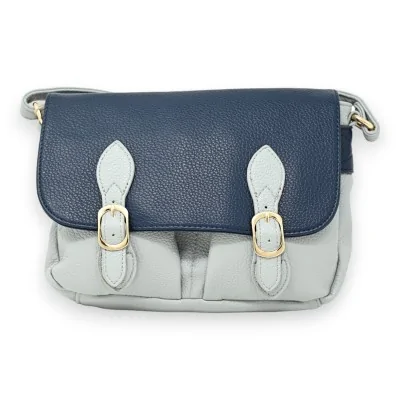
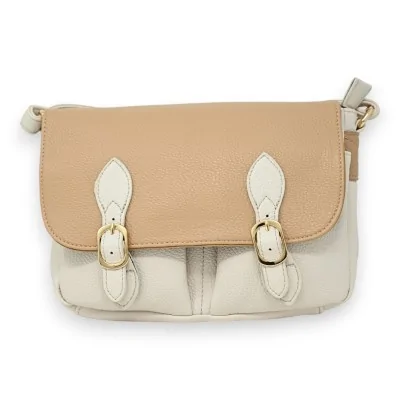
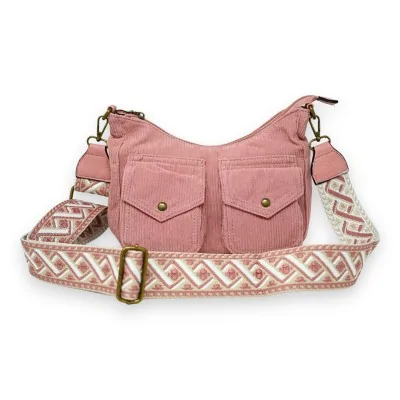
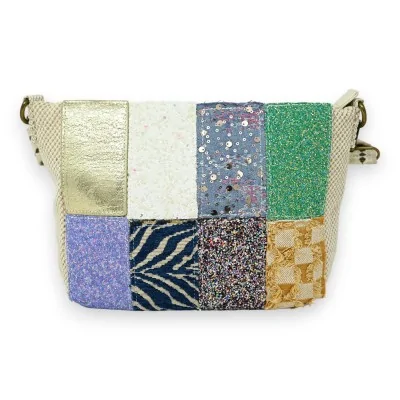
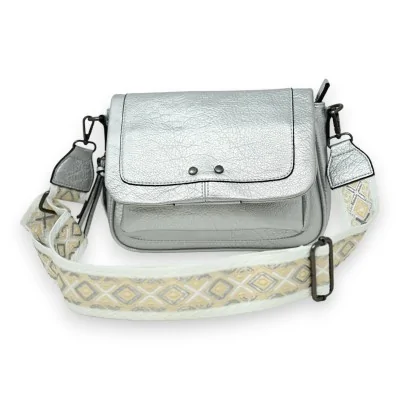
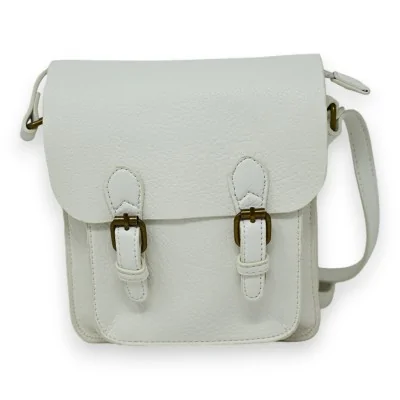
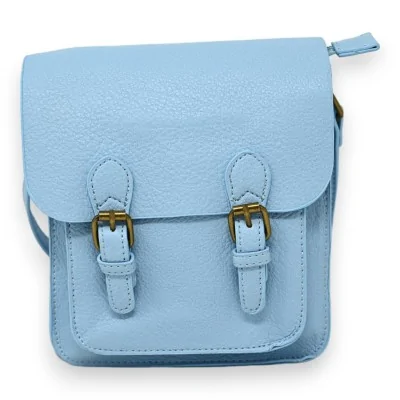
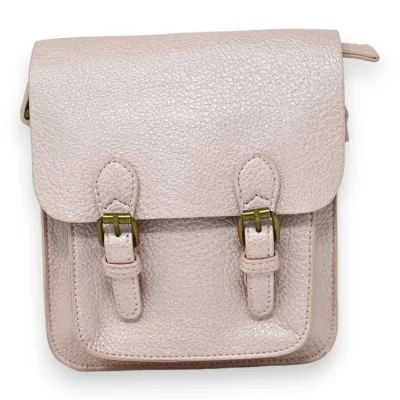
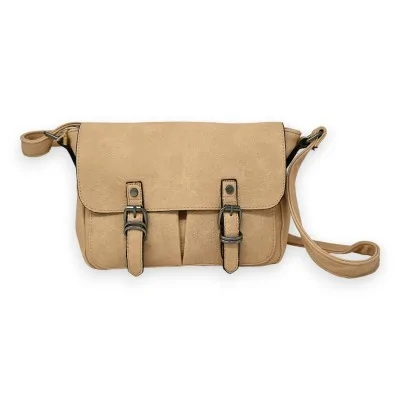
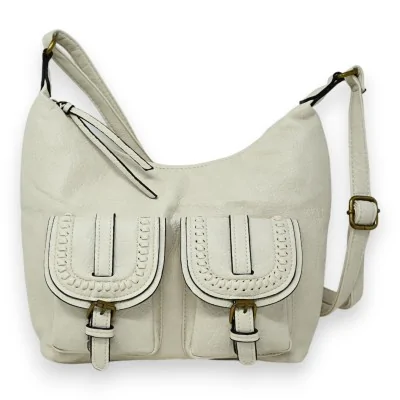
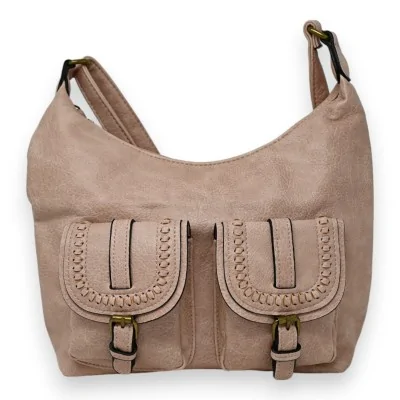
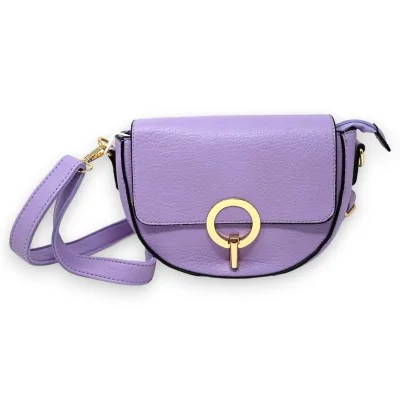
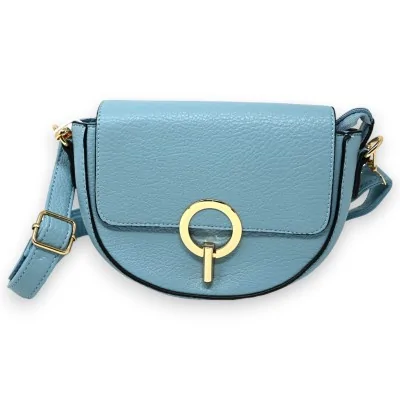
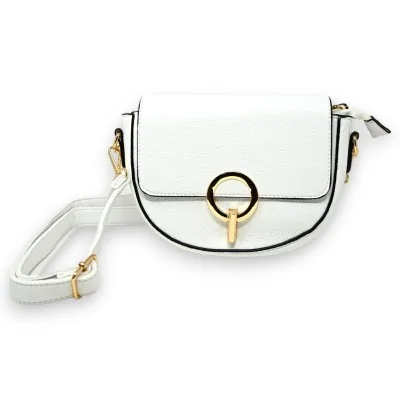
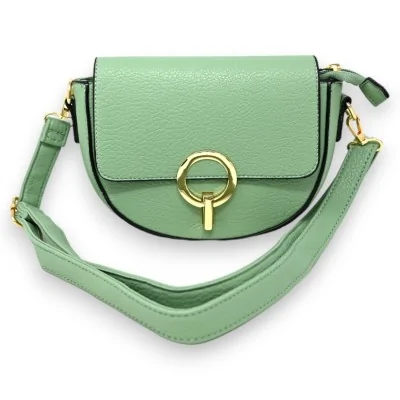
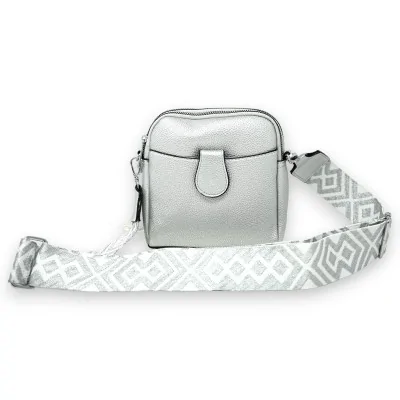
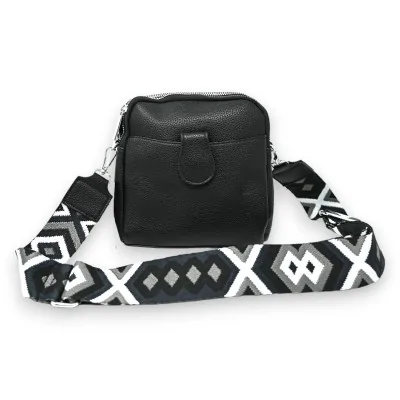
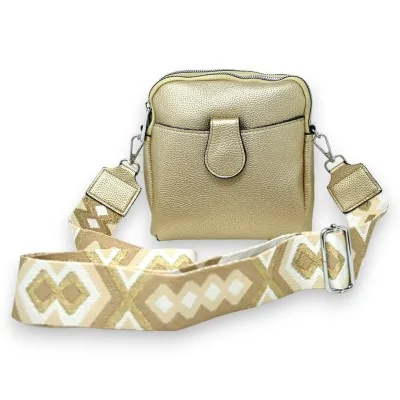
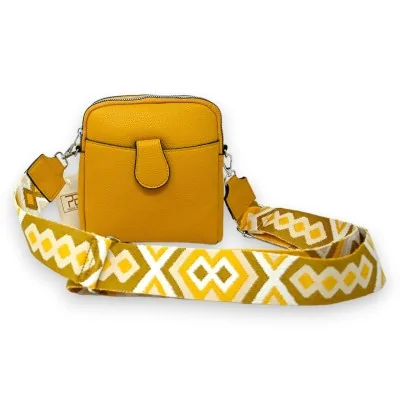
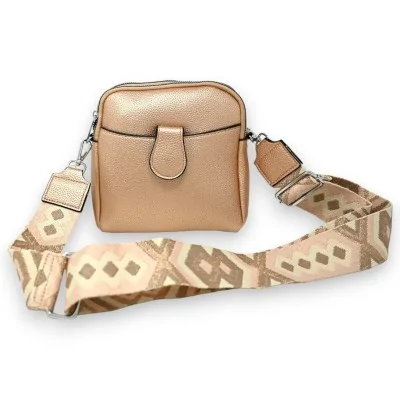
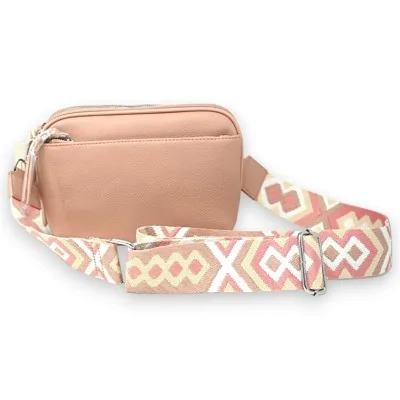
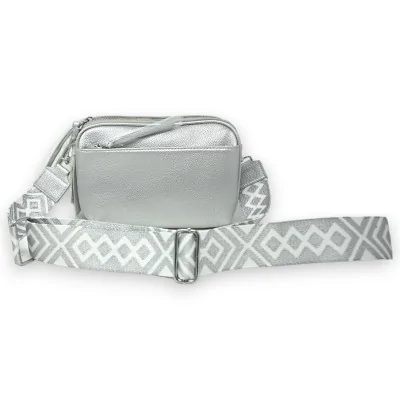
The closure is the detail you live with every day, far more than the colour. Some bags open under a flap; others rely on a zip you can reach without stopping. The table below sets out what turns up across the range.
| Front flap | Hides a shallow pocket underneath. Slower to open, but nothing falls out when the bag swings. Typical of the satchel shapes. |
|---|---|
| Zipped main compartment | The most common arrangement, often paired with an inner zipped pocket for cards and keys. |
| Magnetic press stud | One-handed, quick, and quiet. Found on front pockets and on the smaller round bags. |
| Outer zipped pockets | Two to three of them on the multi-pocket squares, so a ticket or a card never sinks to the bottom. |
| Rear slip pocket | A flat back pocket for a phone or a travel pass, reachable without opening the bag at all. |
Words like 'mini' and 'roomy' mean very little from one brand to the next, so here are real measurements taken from the bags themselves. A clutch runs to about 12.5 × 19.8 × 3 cm and a round bag to 20 × 5.5 × 14 cm: phone, card, keys, and nothing more. A bumbag or a multi-pocket square sits nearer 23 × 14 × 12 cm or 24 × 7 × 16 cm, which is where a purse and a small make-up bag start to fit. Satchels stretch from 24 × 18 × 7 cm in linen up to 28 × 24 × 12 cm, and the deepest slouchy shapes reach 31 × 27 × 13 cm. Every product page carries its own figures, and those are the ones to trust.
Most straps here adjust and unclip, so one bag covers several ways of carrying. Worn diagonally, the weight sits on the opposite hip and the bag stays put on a bike or in a crowd. Shortened to the shoulder, the same bag reads as dressier. Take the strap off entirely and a small flat bag becomes something you carry in your hand for the evening. A few come with a second woven strap in a contrasting ethnic pattern, which is the cheapest way to make one plain bag look like two. If you tend to fill a bag, check the strap width before anything else, since a narrow band digs in within an hour.
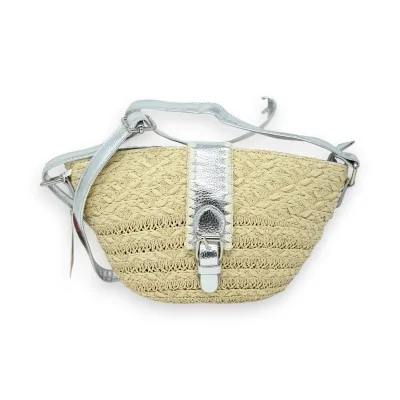
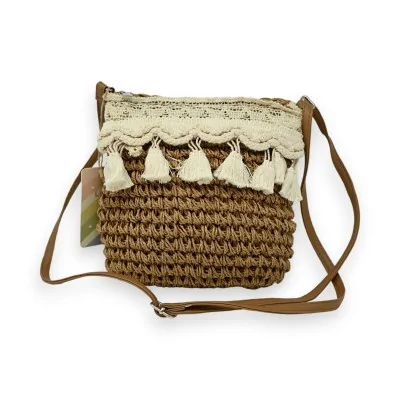
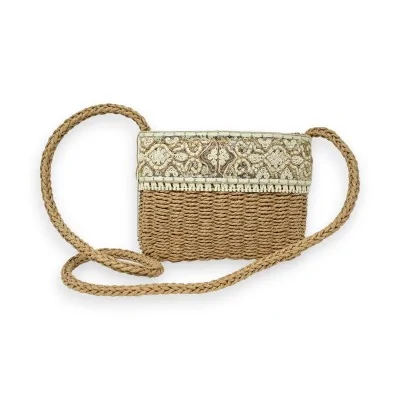
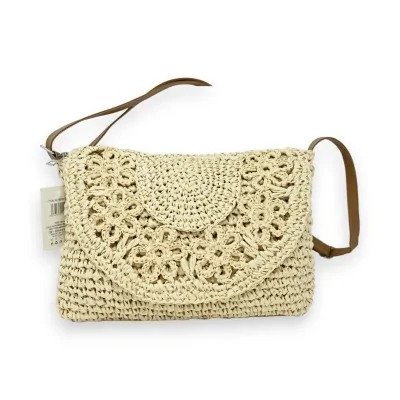
Fabric decides how long a bag stays in rotation. Canvas and printed cotton take a knock and work all year round. Linen, usually finished with a gold or silver trim, belongs to spring and summer. Woven straw, sometimes trimmed with macramé, pompoms or embroidery, is firmly a warm-weather choice and will not forgive a rainy afternoon: keep it for the dry months and let it rest over winter. Faux leather sits somewhere in between, wipes clean and pairs with fabric on the patchwork designs, while suedette and bouclé soften a square outline. If that is the direction you are heading, there is a wider run of summer woven styles a click away.
Every fabric wants handling a bit differently. Canvas and cotton take a damp cloth and warm soapy water, dabbed rather than rubbed so the print does not lift. Faux leather needs a soft cloth and nothing that feeds the surface, since the coating cannot absorb a conditioner and will craze if you treat it like real leather. Suedette comes back with a soft brush once it is completely dry. Straw takes no water at all. Dust it off, and keep it well away from rain and radiators, both of which make it brittle. Store bags upright and lightly filled so the flaps hold their fold. Slimmer items such as purses and card cases slide inside without eating into the main compartment.
Crossbody and shoulder bags are one branch of a bigger family. Backpacks, totes and structured handbags suit different days, and you can see the whole spread on our women's bags pages before narrowing back down. Within this page, the colours that recur most are camel, taupe, navy, black and mustard, useful to know when you are building a small rotation rather than buying a single bag.