Availability: 1 In Stock

There are 105 products.
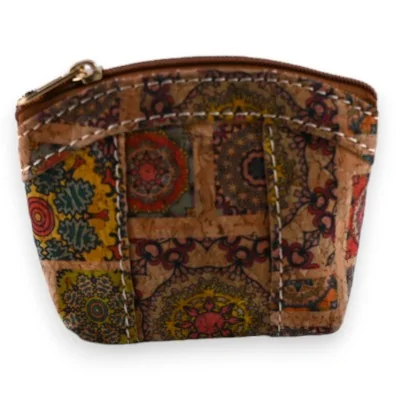
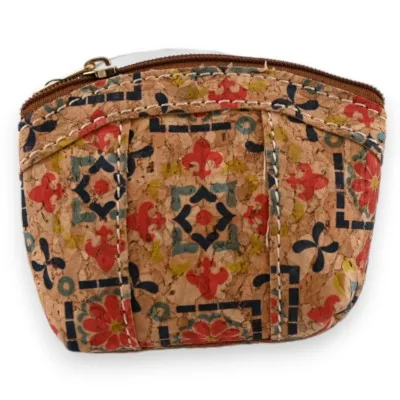
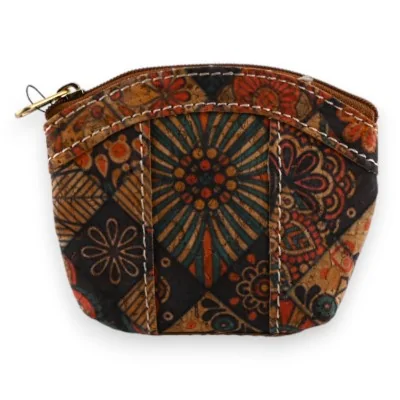
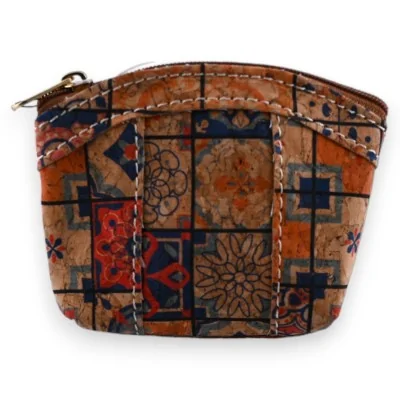
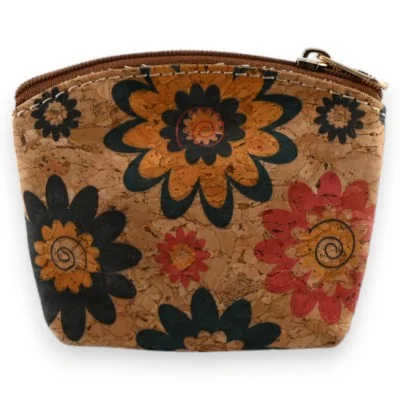
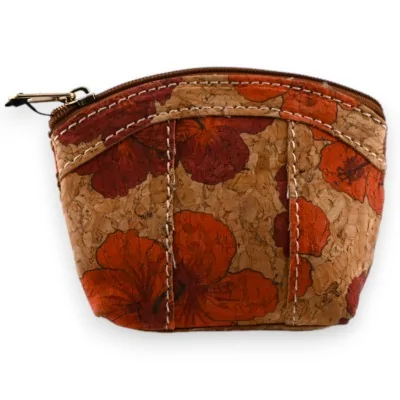
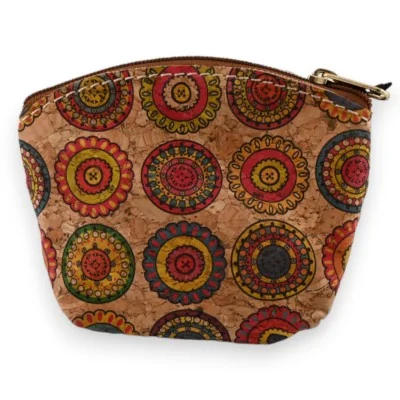
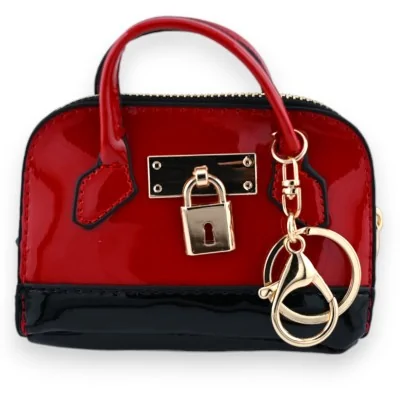
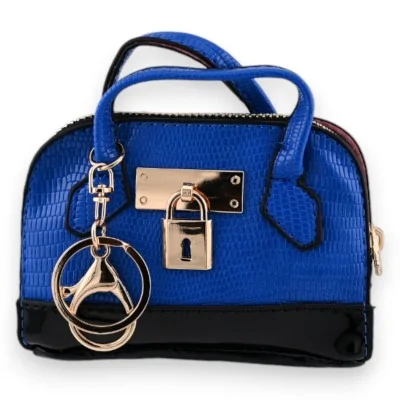
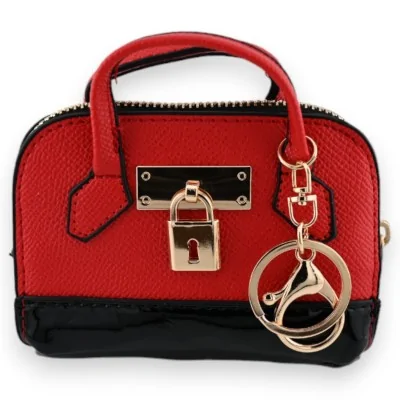
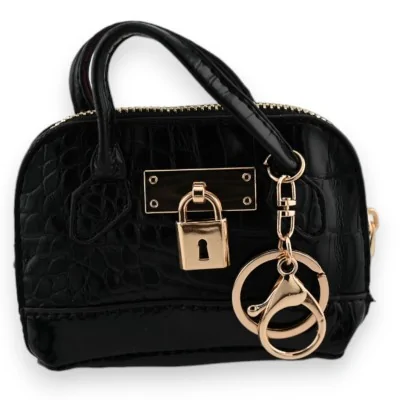
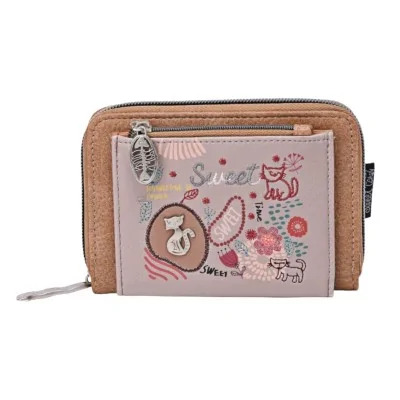
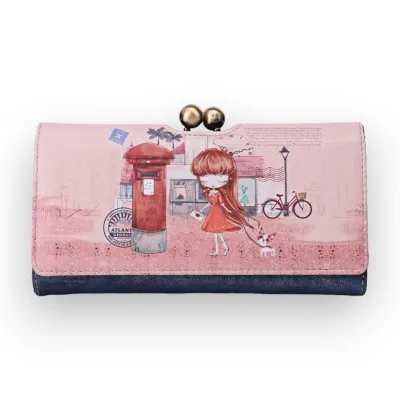
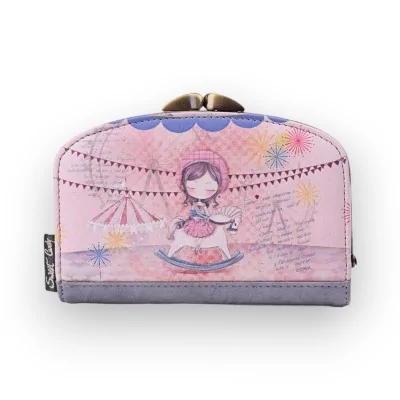
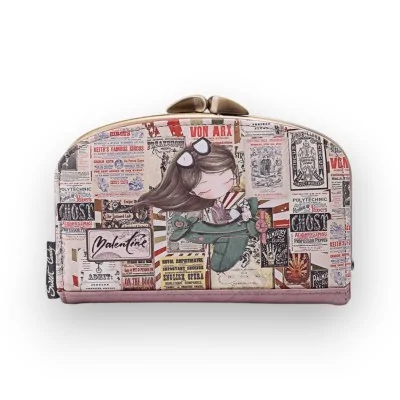
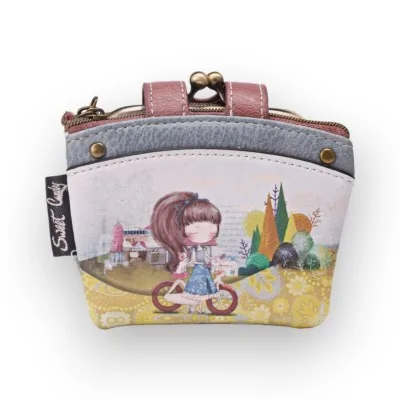
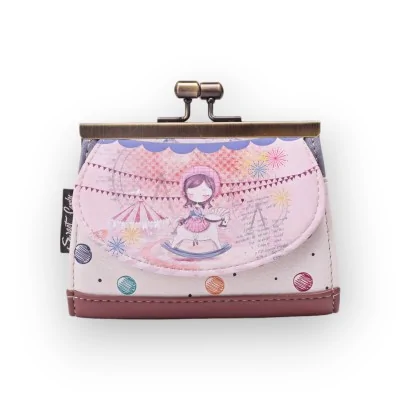
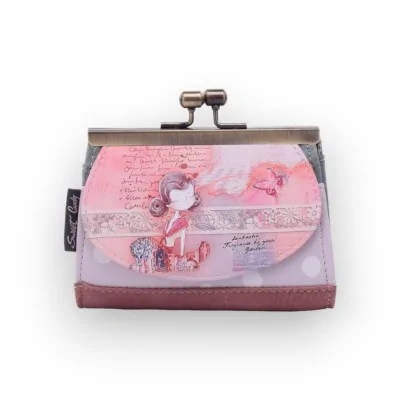
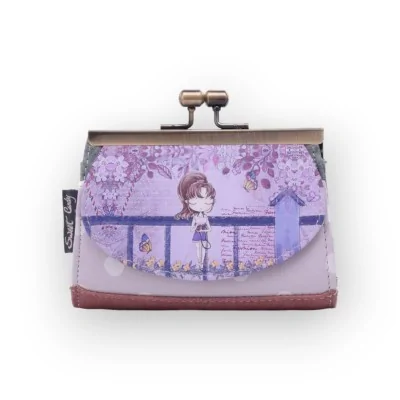
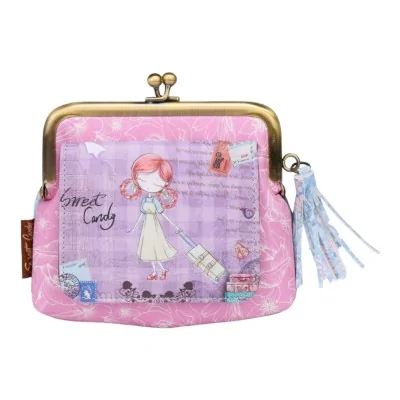
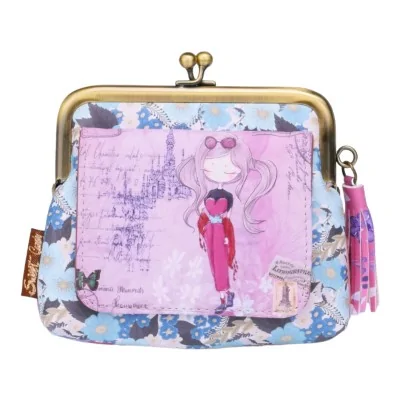
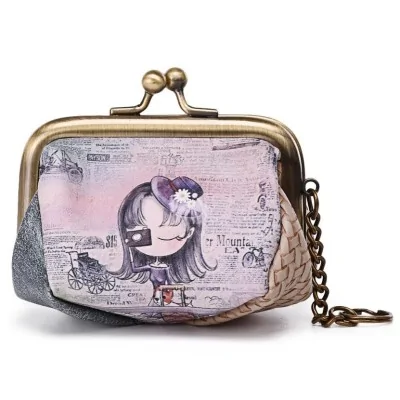
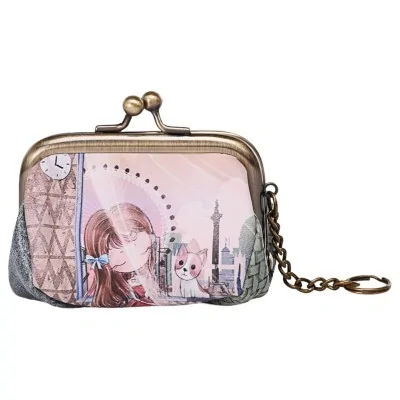
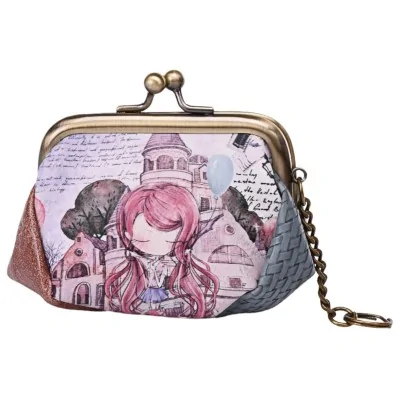
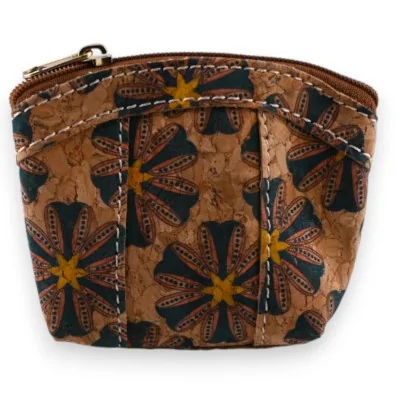
Size is the obvious answer, and it is the wrong one. The real difference is what the object is built around. A coin purse is designed around the coin pocket: one or two cavities, a closure that keeps everything in, and little or no card storage. It stays small because it never tries to hold your whole life. A wallet starts from notes and cards instead, with gussets, flaps and rows of slots, and treats change as one function among several.
Plenty of people carry both, precisely so that a fistful of coins never warps a wallet that has been trained flat. If that sounds like you, or if you want note and card compartments rather than a coin pocket, have a look at the formats built around notes and cards, which share the same materials and prints. And if what you really want is something soft that swallows a phone as well as change, the little textile bags you can carry on their own answer that better.
Every purse is defined by the way it opens, and the difference shows up at the till. A zip-round runs the fastener the whole way around, so nothing escapes when you tip it upside down and you can work it one-handed. A metal clasp frame behaves completely differently: pinch the two balls together, hear the snap, and the mouth stays wide open while you hold it. That is the one that lets you see every coin at once instead of digging blind.
Then come the fronts. Woven versions cross strips over each other for texture, which breaks up a flat surface and hides scuffs well. Studded ones set metal rivets across the face, usually against a matte ground so they catch the light. A few models sit on a keyring clip, which keeps keys and change travelling together, handy at a car park barrier or a communal front door. Others pair the coin pocket with a single card slot for days when you refuse to carry more than one thing.
Three material families run through the range and each behaves differently in the hand. Cork is the lightest, soft to press, with a warm speckled grain that is never quite the same twice; printed colour sits on it with an unusual matte, almost plant-like finish. Soft shiny fabric gives you something to feel, and a sheen that shifts as you move. Plain synthetic is the most even of the three: solid colour, smooth surface, wiped clean in seconds.
| Material | Look and feel | Everyday care |
|---|---|---|
| Cork | Very light, soft, irregular grain unique to each piece | Barely damp cloth, dry it straight away |
| Soft shiny fabric | Noticeable texture, sheen that moves with the light | Gentle brushing, no prolonged damp rubbing |
| Plain synthetic | Even surface, solid colour, no grain | Quick wipe, dries almost immediately |
None of this makes one family better than another. It makes them suited to different bags. A smooth face is the easy choice if the purse lives loose at the bottom of a tote with keys and a lip balm. A textured face is more forgiving because the relief absorbs small marks. Where the exact composition matters to you, the individual product page states the declared material, and that is the line to read before deciding.
A coin purse comes out of the bag several times a day, so it ends up being seen almost as often as a piece of jewellery. The plain side of the range covers muted shades such as black, camel, taupe, khaki, bottle green, burgundy and navy, alongside metallic gold, bronze, silver and grey. Those tones sit quietly next to a bag that already has a lot going on, and they do not date between seasons.
The printed side is a different mood entirely: cats with attitude, dogs, lemons, strawberries, ice cream cones, meadow flowers, poppies, rabbits, stars, mosaics and handwriting prints. Patchwork models put contrasting panels together, sometimes with an exotic-skin effect worked in one colour family. These make genuinely easy gifts, because the print does the personalising and you never have to guess a size. If you are torn, one rule of thumb helps: busy bag, plain purse; plain bag, printed purse.
A coin purse opens and shuts dozens of times a week, so the closure is what gives out first. On a zip, run a dry brush through the teeth once a month to clear the lint and grit that collect there; a zip that catches rarely forgives being forced. On a clasp frame, the useful habit is simply not to overfill it, because past a certain volume the two halves stop meeting cleanly and the snap loses its bite.
Surfaces need very little. A soft cloth, barely damp, then dried at once, covers most situations, and leaving the purse open for a few minutes before putting it away does more good than any product. Pale linings dull mainly through contact with coins, so emptying it regularly changes everything, and the coppers you never spend do not need carrying around. Stored closed and flat in an inside pocket rather than loose at the bottom of the bag, it keeps its shape far longer.
Zip-round models without a card slot are the flattest and the most forgiving: even thickness, nothing to snag, and they slide into an inside pocket without distorting it. Clasp frames need a little more height because of the metal mount, and studded fronts add a couple of millimetres of relief. If space is genuinely tight, a keyring model hangs instead of sitting, which sidesteps the problem completely.
Usually, yes, and more so than most accessories, because nothing has to fit. Start from the recipient's bag rather than your own taste: a bag that is already loud wants a plain purse, a quiet one leaves room for a print. After that the motif does the work. A cat, a lemon, a poppy or a mosaic says something about a person in a way a colour on its own rarely manages.
Card and phone cover most of the week, but change has not disappeared from British daily life. Market stalls, small independents, trolley tokens, parking meters, tips left on a table and collection tins all still want coins. What has changed is the volume carried: a compact purse now handles occasional cash rather than a full float, which is exactly why the smaller formats have taken over from the deep purses of twenty years ago.