A clear guide to carrying medication in hand luggage: UK rules, the 100 ml exemption, doctor's letters and controlled...


A clear guide to carrying medication in hand luggage: UK rules, the 100 ml exemption, doctor's letters and controlled...

UK rules, clinical age guidance, choosing a safe piercer, first studs and the full healing timeline for a child's ear...

Sizing in inches and centimetres, teeth spacing, spring strain and materials: how to pick a claw clip that actually...

What pin-up style is, how it differs from rockabilly, and how to build the silhouette from clothes you already own.
UK airports no longer share one liquids rule. Where the 2 litre allowance applies, where 100ml still stands, and how...

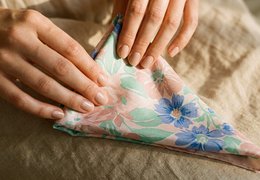




A silk scarf can keep its colour and sheen for years if you clean it the right way. Silk is a delicate protein fibre that reacts badly to hot water, harsh detergents and wringing. This guide explains how to hand-wash a silk scarf, when a washing machine is actually safe, and how to dry, iron and spot-clean it without dulling the print.
The steps themselves are quick. What matters is the order: check the dye first, wash briefly in cool water, then dry flat. Here is the full routine, whether you own a large printed square or a fine twilly.
Yes, you can safely wash most silk scarves at home in cool water. Silk is washable but sensitive: each thread is a natural protein close to human hair, so heat shrinks it and alkaline detergents fade it. As long as you use cold water, a pH-neutral soap and a short soak, home washing is gentler on the fibre than repeated dry cleaning. The exception is a heavily printed or luxury scarf, where a quick colourfastness test comes first.
Hand washing in cool water is the safest method for any silk scarf. Fill a clean basin with cold or lukewarm water, never hot, and add a few drops of pH-neutral soap or a dedicated silk wash. Submerge the scarf and let it soak for one to two minutes only. Swirl it gently with your fingertips without rubbing or twisting: cool water keeps the dye from bleeding. Rinse in clean cold water until no soap remains. To remove excess water, press the scarf between two towels and never wring or twist silk.

Machine washing silk is risky and best avoided, but it can work on a delicate or silk cycle with the spin turned off. Place the scarf inside a mesh laundry bag, select a cold delicate or wool programme and use a small dose of gentle detergent. Even a careful cycle rubs the fibre and can blur printed edges, so reserve the machine for sturdy, plain scarves you are not attached to. A vintage or luxury piece always deserves hand washing or a professional cleaner instead.
Always dry a silk scarf flat, in the shade, away from any heat source. Lay it on a dry towel, roll the two together to blot the moisture, then unroll and let it finish drying in the open air. Direct sun yellows whites and fades bright colours, while a radiator stiffens the fibre. Iron the scarf while it is still slightly damp, set the iron to the silk setting and press on the reverse without direct steam. A thin pressing cloth between iron and fabric prevents shine. To refresh a twilly without ironing, hang it in a steamy bathroom.
Treat a stain on silk by blotting, never by scrubbing. Absorb the excess at once with a clean cloth, then dab from the edge inwards with a little cold soapy water. Grease responds to a touch of mild soap, make-up to plain cold water. Rubbing silk leaves a permanent ring, because friction spreads the threads. For a fine twill or a luxury Hermes-style square, a professional cleaner is the safest route, especially on bold prints. If colours have bled slightly, a final cold rinse with a spoon of white vinegar helps revive the shine.

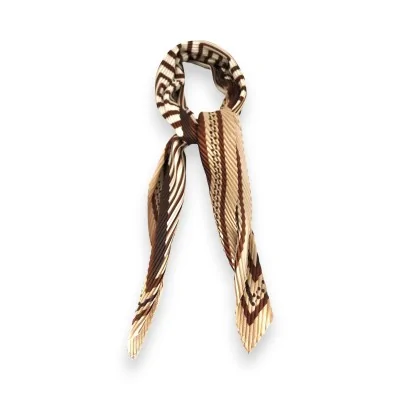
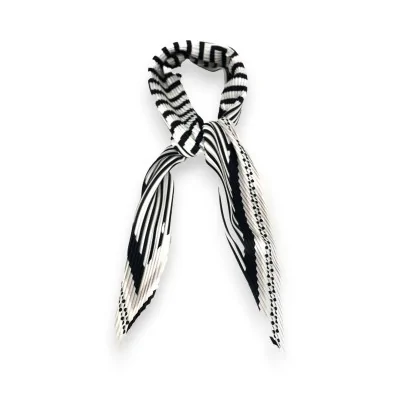
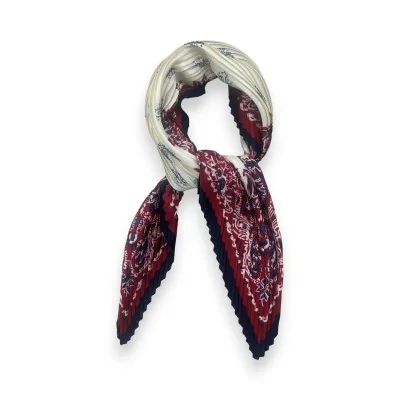
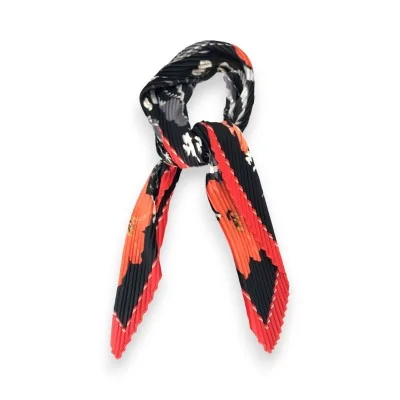
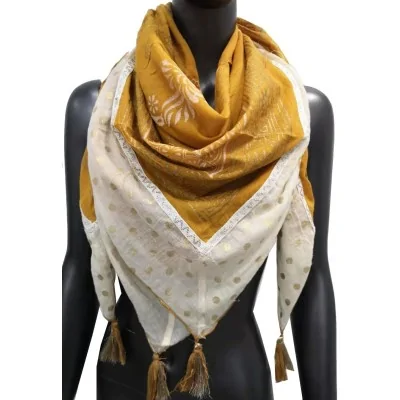
A clean, well-stored scarf is ready to wear again straight away, whether you knot one of our square scarves or reach for one of our scarves in a larger format.
Yes, hand washing in cold water with a pH-neutral soap and a one to two minute soak cleans a silk scarf without ruining it. Swirl gently, rinse cold, press between towels and dry flat in the shade. The keys are cold water, no rubbing and no wringing, which protect both the fibre and the print.
Only with caution, on a cold delicate or wool cycle with the spin off and the scarf inside a mesh bag. Machine agitation weakens silk and can blur prints, so it suits sturdy plain scarves at most. For anything printed, vintage or valuable, hand washing or dry cleaning is far safer.
Blot the stain gently with a clean cloth and dab from the outside in using cold soapy water. Never rub, as friction spreads the fibres and leaves a ring. Grease lifts with a little mild soap, while make-up usually clears with plain cold water; stubborn or old stains are best left to a professional cleaner.
A luxury silk square is best entrusted to a specialist cleaner, especially when heavily printed or signed. If you wash it at home, follow cold water, neutral soap and flat drying strictly, and run a colourfastness test on a corner first. The value of the piece justifies the extra care.
Mode Tendance, fashion and accessories editorial team. Published on 16 July 2026. Sources: ISO 3758 international textile care labelling code (GINETEX symbols); properties of silk, a natural protein fibre made of fibroin that is sensitive to heat and alkaline detergents.
 How to Wash a Beanie Without Shrinking It
 How to keep a scarf from slipping off your head and hair
 Chemo headscarf: how to wear one so it stays put How to tie a headscarf: 6 styles from Bardot to turban How to tie a square scarf : 8 essential knots