A clear guide to carrying medication in hand luggage: UK rules, the 100 ml exemption, doctor's letters and controlled...


A clear guide to carrying medication in hand luggage: UK rules, the 100 ml exemption, doctor's letters and controlled...

UK rules, clinical age guidance, choosing a safe piercer, first studs and the full healing timeline for a child's ear...

Sizing in inches and centimetres, teeth spacing, spring strain and materials: how to pick a claw clip that actually...

What pin-up style is, how it differs from rockabilly, and how to build the silhouette from clothes you already own.
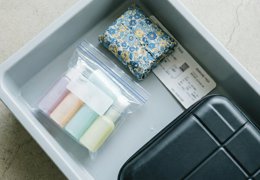
UK airports no longer share one liquids rule. Where the 2 litre allowance applies, where 100ml still stands, and how...

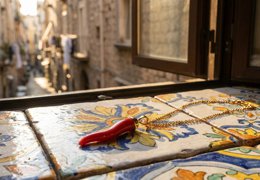



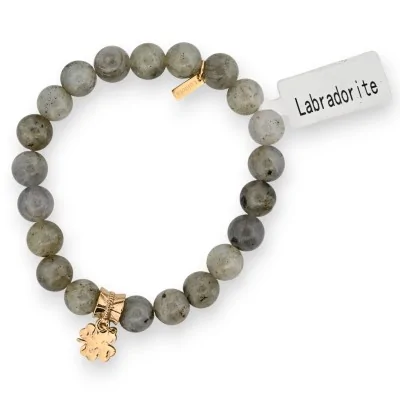
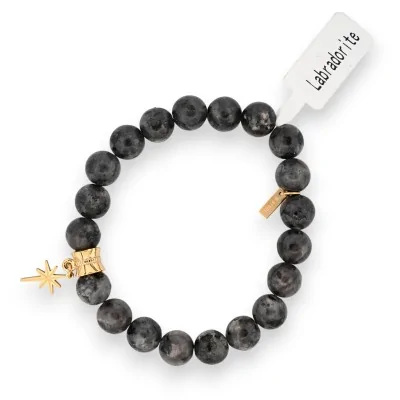
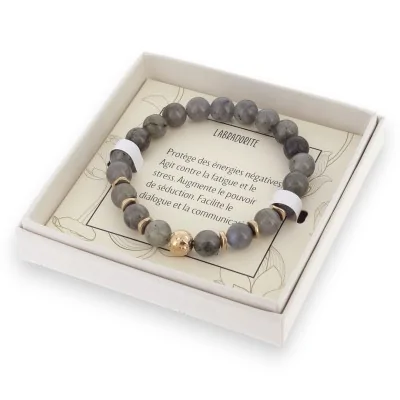
To cleanse labradorite, rinse it briefly under clear water, pass it through sage smoke or rest it on a singing bowl, then recharge it overnight under the full moon. In crystal practice the stone is first cleared of absorbed energy, then re-energised. This guide explains what labradorite means, who tends to wear it, and exactly how to cleanse and charge it without damaging the stone.
Labradorite is a plagioclase feldspar with a Mohs hardness of 6 to 6.5. It handles daily wear but stays sensitive to knocks, prolonged salt water and harsh sun, which shapes every care choice below.
Labradorite is a feldspar famous for its labradorescence, the blue, green and gold flash that moves across the surface as the light shifts. First described in Labrador, Canada, in 1770, it is widely known in crystal lore as the stone of transformation and intuition. Labradorite is known as the stone of transformation. These meanings belong to tradition and personal practice rather than to science.
People drawn to labradorite usually wear it for a sense of protection during change, focus and inner steadiness. In crystal tradition it is often called a shielding stone, said to deflect draining energy, which is why empaths and carers favour it. Many wear labradorite as a protective shielding stone. It suits any sign and is worn as a bracelet, pendant or pocket stone according to taste, with no rule about who may use it.

Cleansing clears the stone of absorbed energy and always comes before charging. Always cleanse labradorite before you charge it, and because the stone is moderately hard, choose a gentle method suited to its setting.
Hold the stone under cool, non-chalky running water for a few seconds, then pat it dry with a soft cloth. Salt water can dull the surface of labradorite, so plain water is the safer choice, especially for beads strung on thread.
Pass the stone through the smoke of white sage or palo santo for about ten seconds. This dry method is ideal for jewellery and drilled beads that dislike repeated moisture.
Set the stone beside a singing bowl and let it ring. The vibration is believed to clear energy with no contact at all, which makes it the kindest option for set or antique pieces.
For a deeper reset, bury the stone in dry earth for a few hours. Keep this method for rough, unset pieces, as damp soil does not suit mounted jewellery or strung beads.
Charging re-energises the stone after cleansing by exposing it to a natural source. Moonlight is the classic match for this nocturnal stone, with two reliable alternatives.
Place the stone on a windowsill or outdoors on the night of the full moon, from dusk to dawn. Full moonlight recharges labradorite gently without harming its flash, which is why it is the preferred method for a stone tied to intuition and the night.
A short hour or two in soft morning sun works well. Avoid long midday exposure, as strong sun can fade the colour play of some stones over time.
Rest the stone on a clear quartz cluster or in an amethyst geode for several hours. This needs no water or sun and works in every season.

A piece worn every day benefits from cleansing and charging about once a month, and the full moon is an easy reminder to use. Cleanse and charge labradorite about once a month, and more often after an intense period. In short, cleanse labradorite roughly every four weeks. A decorative stone that is rarely handled needs far less attention.
Labradorite needs a little care because of its mineral nature. With a hardness of 6 to 6.5 and a clear cleavage, it scratches and chips more easily than quartz. Cleanse labradorite only with gentle methods, store it away from harder stones, take the jewellery off before sport, showering or cleaning, and keep it clear of chemicals. For charging, the two rules to remember are no salt water and no long sun.
To choose a stone that fits your profile, see our guide on how to find your birthstone and life stone. To enjoy the flash of this gem, browse our selection of labradorite.
In crystal tradition labradorite is seen as a stone of transformation, intuition and protection that helps people stay grounded through change. These are symbolic, traditional meanings rather than proven effects. The stone supports a personal wellbeing practice and is not a treatment, so it does not replace medical advice.
People wear labradorite for a feeling of focus, calm and protection during busy or emotional times. Worn as a bracelet or pendant, it sits against the skin through the day and is recharged when needed. Any benefit described belongs to tradition and personal experience, not to medicine.
Labradorite is traditionally linked to no single zodiac sign and is considered suitable for everyone. Some practitioners associate it with Leo, Scorpio and Sagittarius for its transformative theme, but there is no rule. Choose it because you are drawn to its flash and meaning rather than by birth date alone.
In tradition labradorite is described as a shielding stone said to deflect draining or negative energy and to ease mental overwhelm. This protective role is symbolic and rooted in crystal lore. It is not a medical or psychological remedy and should not replace professional support when it is needed.
A stone is considered charged after a full cycle of exposure to a natural source, such as a whole night under the full moon. Recognising it is a personal judgement; some people simply find the stone brighter or more pleasant to wear. No instrument measures this energy, which belongs to tradition and feeling.
Yes, but only briefly and ideally in gentle morning sun for an hour or two. Long midday exposure can fade the stone's colour play over time. If in doubt, choose moonlight or a quartz cluster, which are safer for preserving labradorite's blue and gold flash.
Mode Tendance, jewellery and accessories desk. Published 16 June 2026.
The energetic uses described belong to crystal tradition and do not replace medical advice. Sources: mineralogical data for labradorite (plagioclase feldspar, Mohs hardness 6 to 6.5, labradorescence) after Mindat and feldspar classification; general gemstone care guidance from the Gemological Institute of America.
 Hoop Earring Trends 2026: 8 Looks to Wear Now
 Autumn/Winter 2026 jewellery trends: 7 pieces to adopt
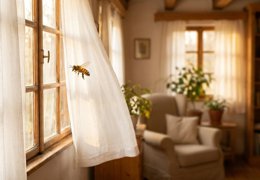 Bee in the House: Meaning, Symbolism and Superstition
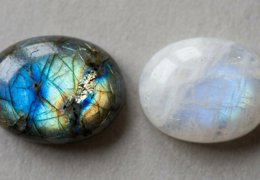 Labradorite vs moonstone: how to tell them apart
 What it means when a butterfly comes into your house
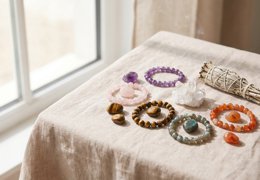 How to cleanse and charge crystals: the complete guide
 Which side to wear a brooch: the rule explained
 Bee symbolism: meaning, the Manchester worker bee and spiritual sense