A clear guide to carrying medication in hand luggage: UK rules, the 100 ml exemption, doctor's letters and controlled...



A clear guide to carrying medication in hand luggage: UK rules, the 100 ml exemption, doctor's letters and controlled...

UK rules, clinical age guidance, choosing a safe piercer, first studs and the full healing timeline for a child's ear...

Sizing in inches and centimetres, teeth spacing, spring strain and materials: how to pick a claw clip that actually...

What pin-up style is, how it differs from rockabilly, and how to build the silhouette from clothes you already own.
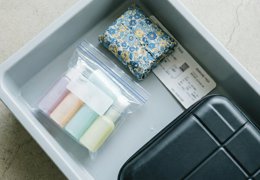
UK airports no longer share one liquids rule. Where the 2 litre allowance applies, where 100ml still stands, and how...






A crystal you wear every day picks up dust, skin oils and, in crystal-healing tradition, the energy of everything around it. Restoring it takes two complementary steps: first you cleanse your crystals, then you charge them. This guide gathers the methods that actually work to cleanse your crystals, shows which technique suits which stone, and explains how often to repeat the routine so a bracelet or a pocket stone never gets damaged.
Cleansing clears a crystal of the energy it has absorbed, while charging gives energy back to it. They are two separate steps done in order: cleanse first, charge second. Mixing them up is the most common beginner mistake. Cleansing uses water, salt, smoke or sound; charging uses moonlight, sunlight or a crystal cluster. Always cleanse a new crystal before its first use, because it has been handled many times before reaching you.
Five gentle methods cover almost every mineral when you cleanse your crystals. Running water for a minute rinses away surface energy. Smudging, passing the stone through the smoke of white sage, palo santo or incense, is the most universal option. Sound from a singing bowl or tuning fork cleanses without any contact. Dry brown rice, with the stone buried in a bowl overnight, draws energy out safely. Burying a stone in soil for a few days suits robust pieces. Smoke cleansing is safe for every crystal, so reach for it whenever you are unsure.

Charging uses a natural light source or a generator mineral. The full moon is the safest choice: leave the crystal on a windowsill overnight under the moonlight. Morning sun recharges warm opaque stones but fades translucent coloured ones. A quartz cluster, an amethyst geode or a selenite plate charge a stone by simple contact, with no risk at all. The full moon charges every crystal safely, which makes it the method to default to for a mixed collection.
Programming sets a clear purpose for a freshly cleansed and charged crystal. Hold the stone in your hands, take a few calm breaths, and silently or aloud state a short, present-tense intention such as calm focus or restful sleep. Keep the wording simple and positive. Repeat it whenever the crystal feels part of your routine again. This step belongs to tradition and personal practice rather than to any proven mechanism.
Some minerals are damaged irreversibly by water and salt and must be kept dry. Selenite is a form of gypsum that dissolves in water; malachite and pyrite react to moisture and salt; lapis lazuli, turquoise and hematite dull or rust. Water and salt damage soft and metallic stones, so use only smudging or sound for them. Prolonged sun also fades amethyst, fluorite and rose quartz, so keep those out of direct daylight.

The rhythm depends on use. How often you cleanse your crystals matters: too rarely leaves them dull, too often is pointless. A crystal worn daily benefits from a weekly cleanse and a recharge at every full moon, roughly once a month. A stone used occasionally is cleansed after each session. After a demanding period, cleanse it straight away. To pick the stone that fits you before you care for it, see our guide on finding your birthstone and life stone, and for a stone-specific routine read how to cleanse and charge labradorite. Each of our crystal healing bracelets lists its mineral so you can adapt the care.
Crystal healing is a wellbeing tradition and does not replace medical advice or treatment.
Cleanse first, then charge. Pass the stone through sage or incense smoke for a minute, or hold it under running water if it is a hard stone, then leave it overnight under the full moon or on a quartz cluster. The two steps together clear absorbed energy and restore the crystal.
Never soak soft or metallic stones in water or salt. Selenite dissolves, while malachite, pyrite, hematite and turquoise corrode or dull. Avoid long sun exposure on amethyst, rose quartz and fluorite, which fade. When unsure, use smoke or sound, which are safe for every crystal.
A short present-tense phrase works best, such as I release what no longer serves this stone. The words matter less than a calm, focused moment. In tradition, stating an intention during cleansing or programming helps you connect with the crystal; it is a personal ritual, not a measurable effect.
A crystal that needs cleansing often looks duller and feels less pleasant to hold, and tradition suggests cleansing after heavy use or a stressful spell. In practice, a weekly cleanse for a daily-worn stone removes any guesswork and keeps the routine simple.
Mode Tendance, jewellery and accessories editorial team. Published 23 June 2026. Sources: Mohs scale of mineral hardness, the water solubility of gyp
 Hoop Earring Trends 2026: 8 Looks to Wear Now
 Autumn/Winter 2026 jewellery trends: 7 pieces to adopt
 Bee in the House: Meaning, Symbolism and Superstition
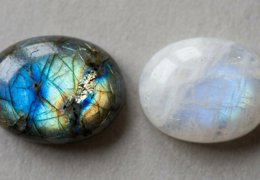 Labradorite vs moonstone: how to tell them apart
 What it means when a butterfly comes into your house
 Which side to wear a brooch: the rule explained
 Bee symbolism: meaning, the Manchester worker bee and spiritual sense
 How to cleanse labradorite and charge it