A clear guide to carrying medication in hand luggage: UK rules, the 100 ml exemption, doctor's letters and controlled...
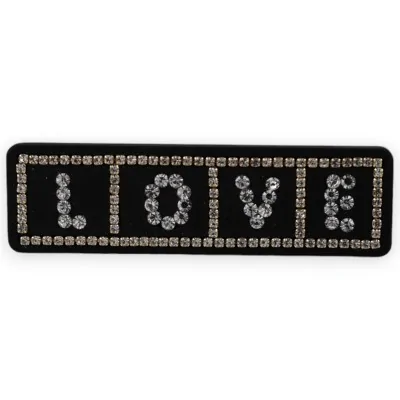
€9.90 €4.95 -50%


A clear guide to carrying medication in hand luggage: UK rules, the 100 ml exemption, doctor's letters and controlled...

UK rules, clinical age guidance, choosing a safe piercer, first studs and the full healing timeline for a child's ear...

Sizing in inches and centimetres, teeth spacing, spring strain and materials: how to pick a claw clip that actually...

What pin-up style is, how it differs from rockabilly, and how to build the silhouette from clothes you already own.

UK airports no longer share one liquids rule. Where the 2 litre allowance applies, where 100ml still stands, and how...
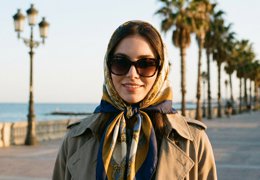




The hair accessory is back as a major wedding accessory in 2026. You see it behind the ear of guests in glossy editorials, on the low chignons of minimalist brides, and in cascades around the veil at high-end London salons. The practical question remains: how to wear one well without overdoing it. Here are five placements that work, adapted to your hair length, the wedding's colour palette, and your status as wedding guest or bride.
Each placement tells a different story. Wedding hair specialists often combine two or three, but a single well-placed clip is enough to lift a guest's hairstyle. These five appear consistently across the 2026 SERP of British and American bridal editorials.
The safest and most universal placement. A pearl or rhinestone hair clip sits on one side of the chignon, about three centimetres above the ear. It marks the transition from face to nape without adding bulk. The favourite of wedding guests who want a recognisable detail without going loud, and of brides whose veil sits long at the back.
For medium to long lengths, the half-up half-down gathers the upper section of hair and pins it at the crown with a central clip. The lower hair stays loose on the shoulders. Ideal for guests who do not want a strict updo but seek immediate polish. Choose a horizontal clip, not a vertical model that gets lost in the volume.
A direction lifted from the couture shows of 2025: hair left loose, one clip placed behind the ear with the front section swept back. The gesture looks simple, the effect cuts through. Works on straight or wavy hair, with or without a fringe. Prefer a graphic black or gold clip and avoid heavily ornate models that break the minimalism of the choice.
For the bride only. A set of three to five matched clips of decreasing size, arranged in an arc around the veil's anchor point at the back of the head. The effect recalls Victorian tiaras without wearing one. The placement frames a short or medium veil and disappears under a cathedral veil that covers everything below it.
The most contemporary placement. Three or four matched clips (same metal, same style, varying sizes) arranged in a triangle around a low chignon. The lower part of the chignon stays bare; the clips frame only the upper section. The choice of brides who want a quiet accumulation without falling into Victorian heaviness. Works particularly well on a clean nape and on hair thick enough to hold everything without slipping.

Length matters as much as style. A clip that lifts a bob disappears on long hair, and vice versa.
On short hair the clip is very visible because it covers a large share of the surface. Choose a single wide flat clip, placed on the side behind the ear. Avoid sets, which crowd the look. A five-centimetre rhinestone piece is enough to shift the style from everyday to celebration.
The most versatile length. All techniques work: central half-up, side clip on a soft chignon, accumulation around the nape. This length also supports matched piece sets best, with enough surface area to display them without crowding.
Long hair needs clips that can hold the weight. Prefer strong metal hinge models over thin spring-loaded models that loosen during the evening. Graphic clips cut nicely through loose waves; pearl clips enrich braids without weighing them down.
The classic trap: choosing a clip without knowing the wedding's colour scheme. Here are four common cases and the clip colour that fits each, without competing with bride or groom.
Classic white-and-gold wedding: pick natural pearl or warm gold metal. Clear rhinestone works too but stays riskier in photos as it catches strong light. Rustic terracotta-and-sage wedding: pick copper metal, off-white pearls, or clips integrating small dried flowers. Warm gold also passes. Avoid white rhinestone, which clashes with the natural palette.
Vintage Art Deco wedding: fine pearl and discreet rhinestone work in a 1920s spirit. Satin black and silver also fit. Modern minimalist wedding: graphic black or brushed gold in a single well-placed piece dominates. Rhinestones and natural pearl feel out of place in this universe.
The implicit rule of every wedding: the guest does not upstage the bride. It plays out more in hair accessories than in the dress. Three principles structure the distinction.
The guest usually chooses a discreet single clip, in a metal or shade that matches her outfit rather than the wedding palette. A thin gold piece behind the ear with a pastel dress is enough. The bride can go for controlled accumulation: a set of three to five matched clips, veil integration, mixed materials (pearl, rhinestone, matte metal). She sets the pace.
Three mistakes for guests to avoid: a white pearl clip larger than the bride's, an overly sparkly rhinestone that creates light flares on official photos, and wearing a tiara or crown (reserved for the bride and bridesmaids). A wedding is not the right moment for a personal statement piece.

No placement saves a clip that slips off during the third dance. Three technical moves guarantee staying power.
Spray a fine mist of hairspray on the section before fixing the clip. The clip grips a lightly textured strand better than a smooth freshly washed one. Cross two invisible bobby pins under the clip to anchor it into the mass of hair. The trick of film-set hair stylists, it works on every hair type. Finally, test the hairstyle a week before with exactly the same clip: weight, clip length, fastener type. A clip that holds three hours in the test holds an entire evening.
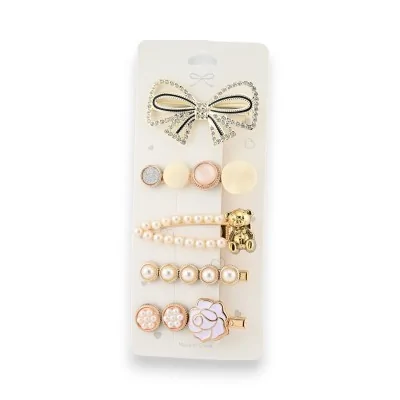
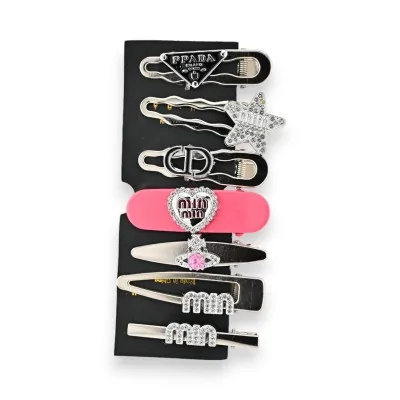
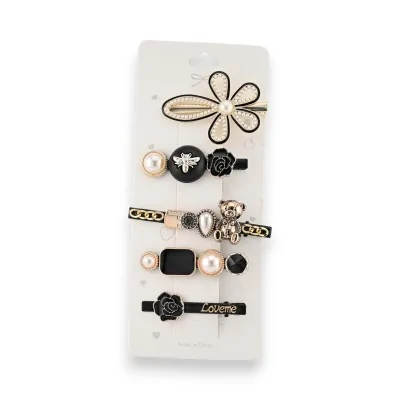
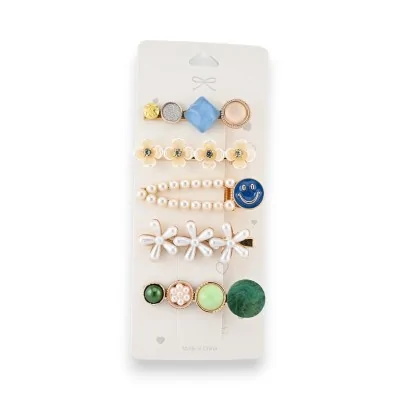
At Mode Tendance we curated a fashion hair clip collection that covers the four colour codes above: natural pearls for classic weddings, copper metal for rustic settings, rhinestones and warm gold for Art Deco, matte black metal for minimalist. Our fashion hair clip selection includes sets of matched pieces, the practical format for building a clip arrangement around a chignon without having to source from three different shops.
Choose a placement that suits your status and your hair length: side piece on a low chignon, central piece on a half-up half-down, single graphic piece behind the ear. Then match the clip's tone to the wedding's colour palette rather than your outfit. One well-placed clip lifts a hairstyle more than three uncoordinated pieces.
The golden rule: stay restrained. A half-up half-down with a thin gold piece, a low chignon with a discreet pearl clip on the side, or loose hair with a single clip behind the ear. Avoid tiaras, white flower crowns and anything that could be confused with the bride's or a bridesmaid's hairpiece.
Placement depends on the hairstyle. On a chignon: about three centimetres above the ear on the dominant side. On loose hair: behind the ear, with the front section swept back. On a half-up half-down: at the crown, hiding the gathering point. The clip should always close off a transition, never sit in the middle of a uniform stretch of hair.
Absolutely. Bridal pieces suit every age: they adapt to all lengths and hair textures. For fifty and beyond, prefer pearl or matte metal models over heavily ornate rhinestone clips, which can look dated. A discreet gold clip behind the ear works beautifully on a short bob and signals a polished sense of style.
Yes. The spring-summer 2026 couture shows brought clips back to the front line, after two seasons dominated by XXL claw clips and pearl headbands. Fine pearl clips and graphic metal pieces are the two rising directions for the year.
 How to choose a claw clip or barrette for your hair type
 Scarf for short hair: 5 ways to wear it
 Wedding guest hairstyles: easy ideas you can do yourself