A clear guide to carrying medication in hand luggage: UK rules, the 100 ml exemption, doctor's letters and controlled...


A clear guide to carrying medication in hand luggage: UK rules, the 100 ml exemption, doctor's letters and controlled...

UK rules, clinical age guidance, choosing a safe piercer, first studs and the full healing timeline for a child's ear...

Sizing in inches and centimetres, teeth spacing, spring strain and materials: how to pick a claw clip that actually...

What pin-up style is, how it differs from rockabilly, and how to build the silhouette from clothes you already own.

UK airports no longer share one liquids rule. Where the 2 litre allowance applies, where 100ml still stands, and how...


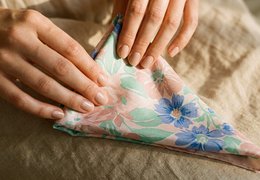



Cashmere, merino, lambswool and alpaca all promise warmth, yet they behave very differently once the cold sets in. Some insulate better, some resist itching, some survive years of daily wear. This guide compares the four fibres on warmth, softness, durability, price and care, so you can match the right material to how you actually live.
The four most common warm fibres all come from animals, but from different families. Cashmere is the soft down of the cashmere goat, merino and ordinary lambswool come from sheep, and alpaca comes from a South American camelid. That origin explains most of the differences in feel and warmth you notice on the label.
Ordinary lambswool is the sturdy, affordable benchmark: thick, springy and long-lasting, but sometimes scratchy. Merino is a much finer sheep wool, so it is softer and more technical. Cashmere is rare and light, since one goat yields only a little down each year. Alpaca rounds things off with a hollow, very warm and notably soft fibre.
Gram for gram, cashmere and alpaca insulate more than ordinary lambswool because their fibres trap more air. cashmere traps more warmth per gram than standard wool, which is why a thin cashmere knit feels as warm as a much thicker woollen one. Alpaca, with its hollow core, matches or even beats cashmere on pure thermal power.
Merino plays a different game. It is warm for its weight, but its real strength is regulation. merino wool resists odour and regulates heat, moving moisture away from the skin so you stay comfortable moving between freezing streets and overheated trains. For something worn all day in the city, that balance often matters more than raw warmth.
Whether a fibre itches depends on its diameter, measured in microns: the lower the number, the softer it feels. Cashmere sits around 14 to 16 microns, merino wool between 17 and 22, and ordinary lambswool often above 25, which is where the scratch begins. Alpaca falls in the soft range too.
Alpaca has one extra advantage for sensitive skin: alpaca fibre contains no lanolin, the greasy wax in sheep wool behind many wool allergies and irritation. People who cannot wear standard wool often tolerate alpaca and fine merino comfortably, getting warmth without the prickle.

For hard daily use, the ranking partly reverses. Lambswool and merino wool are the most robust and pill the least, so they shrug off commuting, bags and coat collars. Cashmere is more delicate: it may pill in the first few weeks of friction before settling, and the abrasion resistance is lower than sturdier wools.
Alpaca lasts well but stretches if hung up while damp, so it should always dry flat. As a rule, the softer and finer the fibre, the gentler you must be with it. If you want one accessory for rough daily wear, a tightly knitted merino is the most forgiving choice of the four.
Price follows scarcity and labour almost exactly. Lambswool is cheapest because it is the most abundant. Merino wool costs a little more thanks to its fineness and selected flocks, mainly in Australia and New Zealand. Alpaca sits higher, limited by smaller Andean volumes.
Cashmere stays the most expensive: a single goat gives only 150 to 200 grams of down a year, and several animals are needed for one piece. A suspiciously cheap cashmere label usually hides a blend or short fibres that pill quickly, so a very low price is a warning rather than a bargain.
Blends are where price and performance meet. A merino-cashmere mix keeps much of the softness while gaining durability and costing less than pure cashmere, while a touch of silk adds sheen and a little nylon helps a knit hold its shape. Read the fibre percentages on the label rather than the headline material: a "100% cashmere" claim guarantees the fibre type, not its grade, since long first-shear fibres and short recycled ones can both carry that wording.
Care should shape your purchase as much as price. always hand wash delicate knits in cool water with a mild soap, then dry them flat on a towel, never on a hanger that would stretch them. Merino and lambswool tolerate a gentle wool machine cycle at 30°C inside a protective bag.
Ready to choose a piece in one of these fibres? Browse our scarves range, and complete your winter look with our beanies and gloves.
Merino wool is not simply better than cashmere; it is better for different things. Merino is more durable, more elastic and regulates moisture, which suits active daily wear. Cashmere is softer and warmer gram for gram but more delicate and costly. The best choice depends on whether you value resilience or pure luxury of touch.
Cashmere is usually less itchy than merino because its fibres are finer, around 14 to 16 microns against 17 to 22 for merino wool. Both sit below the roughly 25-micron threshold where most people feel a prickle, so quality merino is still comfortable. Alpaca is another low-itch option thanks to its lanolin-free fibre.
No, merino wool is clearly cheaper than cashmere. Merino comes from sheep that produce several kilos of fleece a year, while a cashmere goat yields only a couple of hundred grams of down. That difference in supply, not quality alone, explains why cashmere commands a much higher price per garment.
Merino wool can still itch slightly on very sensitive skin, costs more than ordinary lambswool, and the finest grades are less abrasion-resistant than thick wool. It also needs gentle washing to avoid felting. For most people these drawbacks are minor next to its warmth, softness and excellent moisture regulation.
Ordinary lambswool and a well-knitted merino last the longest, because their fibres are springy and resist abrasion and pilling. Cashmere and alpaca feel more luxurious but are more delicate and need gentler handling. For an everyday piece meant to survive years of use, a sturdy wool or merino is the safest bet.
Mode Tendance, fashion and accessories desk. Published on 22 June 2026. Sources: ISO 137 standard on wool fibre diameter measurement, The Cashmere and Camel Hair Manufacturers Institute, IWTO (International Wool Textile Organisation).
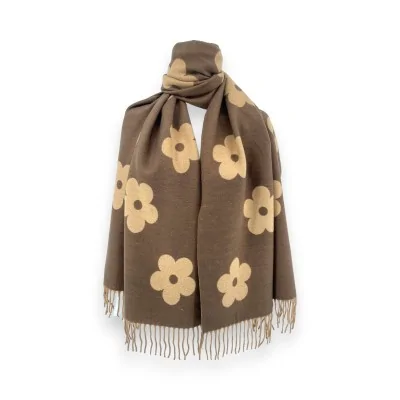
 How to style a winter coat: what to wear under each type
 How to knit a headband: a step-by-step beginner tutorial
 How to Wash a Beanie Without Shrinking It
 How to knit fingerless mitts: easy tutorial for beginners
 Touchscreen gloves vs warm gloves: how to choose for your daily use