A clear guide to carrying medication in hand luggage: UK rules, the 100 ml exemption, doctor's letters and controlled...
Mode Tendance, Click here to understand delivery to the United States, Australia and United Kingdom
English GB


A clear guide to carrying medication in hand luggage: UK rules, the 100 ml exemption, doctor's letters and controlled...

UK rules, clinical age guidance, choosing a safe piercer, first studs and the full healing timeline for a child's ear...

Sizing in inches and centimetres, teeth spacing, spring strain and materials: how to pick a claw clip that actually...

What pin-up style is, how it differs from rockabilly, and how to build the silhouette from clothes you already own.
UK airports no longer share one liquids rule. Where the 2 litre allowance applies, where 100ml still stands, and how...


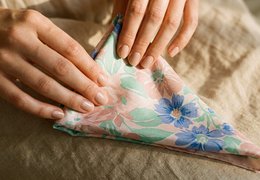



Tarnished costume jewellery rarely needs throwing away. Because these pieces are usually brass or zinc alloy under a thin silver or gold plating, often with glued rhinestones, the right approach is a gentle one that lifts the dullness without stripping the finish. Below are six methods you can use at home, ordered from the safest to the ones that need real caution, along with the mistakes to avoid and the habits that keep your pieces bright for longer.
Costume jewellery tarnishes when its thin plated layer reacts with moisture, skin and cosmetics. Sweat is slightly acidic and eats into the plating; perfume, hairspray and hand cream leave a grey film; water and chlorine speed the whole process up. The thinner the plating, the faster a piece goes dull, which is why some rings darken within weeks while others last for years. The good news is that as long as the plating is still there, the tarnish sits on the surface and lifts off with cleaning, so most dull pieces can be revived in minutes.

To clean tarnished costume jewellery at home, work from the gentlest method upward and stop the moment the shine returns. Most pieces only need the first two steps. Keep the harsher options for solid metal, never for thin plating or glued stones, and always work over a bowl rather than an open sink so a loose stone never disappears down the drain.
Dip the piece in warm water with a drop of mild washing-up liquid for a few seconds, rub gently with your fingertips, rinse and dry at once. always start with the gentlest method, because it removes everyday grease and grime without touching the finish, and it is enough for the vast majority of rings.
Buff silver-tone rings with a dry microfibre or jewellery polishing cloth. The friction alone lifts the grey haze and restores shine with no product at all, which makes it ideal for plated surfaces that hate water. A soft brush then reaches the grime trapped around claws and stones where the cloth cannot.
Baking soda is mildly abrasive, so use it only on solid metal, as a paste you dab on without scrubbing, then rinse and dry. baking soda scratches thin plating, so keep it well away from plated or rhinestone rings, where a microfibre cloth and soapy water are far safer.
Antique costume jewellery and delicate stone-set pieces should be cleaned almost dry. Skip soaking entirely, because old glue and soft vintage finishes give way fast in water. Wipe with a barely damp cloth, work around the stones with a soft brush, and dry straight away to protect both the setting and the patina that gives older pieces their character. If a vintage piece is valuable to you, test any method on the back first, and never use abrasives that could thin a finish you can no longer replace.

The most damaging mistake is soaking rhinestone rings, because water dissolves the glue and the stones drop out. Toothpaste is too abrasive and micro-scratches plating; ammonia and bleach strip it; ultrasonic cleaners shake loose glued stones; and scrubbing with a rough cloth leaves permanent marks. never soak rhinestone rings in water, and never put a piece away wet: dry every piece thoroughly after cleaning to stop oxidation starting again.
Keeping costume jewellery bright is mostly about limiting moisture and chemicals. Put it on last, after perfume and cream, and take it off before showering, swimming, exercising or sleeping. Wipe it after wear and store each ring dry and separate, in a pouch or with an anti-tarnish strip that absorbs the vapours that cause greying. A light clean once a month keeps the shine without stressing the finish. Once the plating wears through to grey base metal, no cleaning brings it back, and that is the moment to replace it, for example from our discounted fashion rings. If you want a metal that barely tarnishes, our guide to stainless steel jewellery compares the options.
Start with the gentlest method and stop as soon as the shine returns. Warm soapy water and a soft cloth remove most tarnish safely; a dry microfibre cloth revives plated surfaces. Save baking soda or vinegar for solid metal only, and always dry the piece fully afterwards to prevent fresh oxidation.
Only if the piece is solid metal, never if it is plated. Baking soda is abrasive and wears down thin silver-tone coatings as soon as you rub. For plated or rhinestone rings, a microfibre polishing cloth and warm soapy water restore shine without any risk of scratching the finish.
Clean rhinestone pieces dry whenever possible and never soak them. Buff with a microfibre cloth, then use a barely damp soft brush around the stones without flooding them, since water loosens the glue holding them in place. Dry immediately with a clean cloth to keep the stones sparkling.
Treat antique costume jewellery gently and almost dry. Avoid soaking and harsh chemicals, which damage old glue and soft finishes, and instead wipe with a barely damp cloth and a soft brush. Dry it at once and store it away from humidity to protect the piece for years to come.
Costume jewellery tarnishes quickly when the plating is thin and heavily exposed. Acidic sweat, perfume, water and constant contact all speed up oxidation, and warmer or more acidic skin tarnishes pieces faster. Removing rings for showers and exercise, then wiping them, noticeably slows the darkening down.
Mode Tendance, jewellery and accessories editorial team. Published on 14 June 2026.
Sources: care notes from our fashion ring range; Mode Tendance guide to stainless steel and metals that resist tarnishing.
Medication in hand luggage: prescriptions, exceptions and security checks Ear piercing for a child: what age, uk rules and safety How to wear pin-up style in 2026 without looking like a costume Liquids in hand luggage: UK airport rules and limits 2026 How to change a watch battery yourself: a step-by-step guide
 Nickel allergy and jewellery: symptoms and safe metals to choose
 What to give a woman who has everything: the anti-duplicate method
 How to change a watch strap: steps and mistakes to avoid