A clear guide to carrying medication in hand luggage: UK rules, the 100 ml exemption, doctor's letters and controlled...
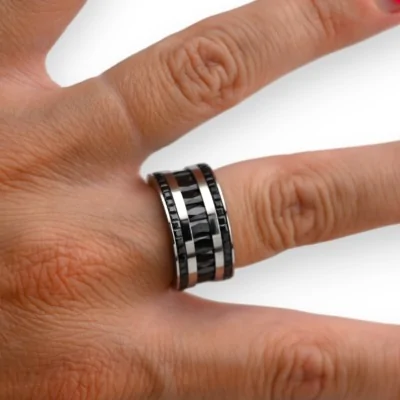
€12.90 €5.16 -60%


A clear guide to carrying medication in hand luggage: UK rules, the 100 ml exemption, doctor's letters and controlled...

UK rules, clinical age guidance, choosing a safe piercer, first studs and the full healing timeline for a child's ear...

Sizing in inches and centimetres, teeth spacing, spring strain and materials: how to pick a claw clip that actually...

What pin-up style is, how it differs from rockabilly, and how to build the silhouette from clothes you already own.
UK airports no longer share one liquids rule. Where the 2 litre allowance applies, where 100ml still stands, and how...






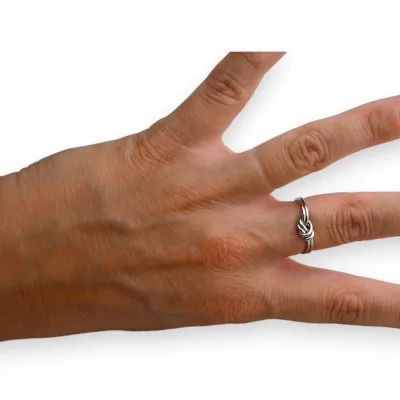
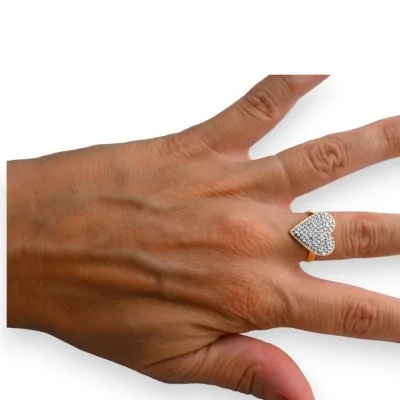
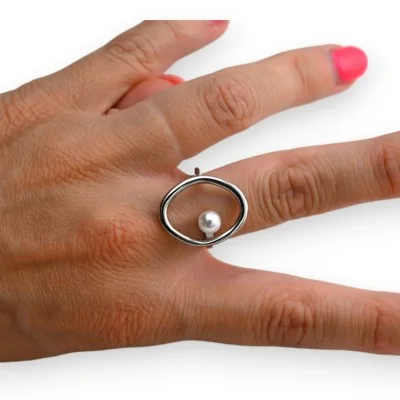
Spend five minutes on a jewellery forum and you will see the same argument: is stainless steel a smart buy, or is it the metal snobs love to dismiss? Threads on Reddit even ask why it is "frowned upon". The fair answer is that steel does some things brilliantly and a few things poorly, and the people who dislike it usually compare it to gold rather than to other affordable options. This guide lays out the honest pros and cons, shows you how to spot genuine 100% steel, and answers the questions UK shoppers ask most.
For everyday wear, yes, and for specific reasons rather than vague ones. Jewellery grade steel is hard, holds a polish and shrugs off water. It is also one of the safest metals for reactive skin. Where it falls short is precious value and workshop flexibility. Knowing which side of that line your purchase sits on is the whole decision.
Quality steel releases very little nickel, the usual trigger for itchy, red skin. The European EN 1811 standard caps that release for anything worn against the body for long periods. This is why surgical steel is trusted for fresh piercings, including cartilage and helix, where a low reaction, hard wearing metal matters.
Shower, swim, sweat through the gym: a thin chromium oxide layer reforms in air and keeps corrosion away. Plated costume pieces dull within weeks; steel keeps its shine through a busy week without being removed.
For the same look, steel costs a fraction of solid sterling silver. That is why men's curb chains and signet style rings lean so heavily on it: a sturdy, low cost piece that needs no babysitting.
Steel is hard, so a jeweller cannot easily size a ring up or down the way they would with gold or silver. Buy the right size first time.
Steel is not a precious metal. It will not hold value like gold, and it carries fewer genuine precious set stones than fine jewellery. If you want an heirloom, this is not the metal.

Plenty of "steel" listings hide a mixed alloy underneath. A few checks help. Look for a clear grade marking such as 316L. Hold the piece: real steel feels cool and reassuringly dense. Run a magnet over it, jewellery grade steel is at most weakly magnetic. And watch the price: a chain priced like plastic almost certainly is not solid steel.
| Check | Genuine steel | Cheap imitation |
|---|---|---|
| Grade marking | Often stamped 316L | None |
| Weight | Cool, dense | Light, hollow |
| Magnet | Weak or none | Strongly pulled or none at all |
| Colour over time | Stable | Fades or greens |

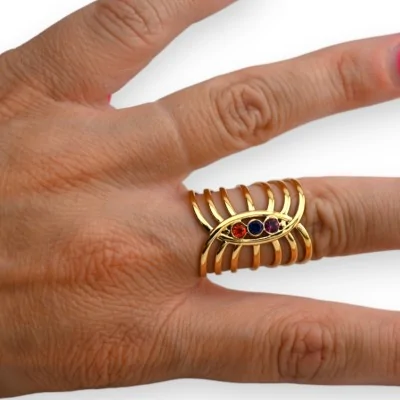
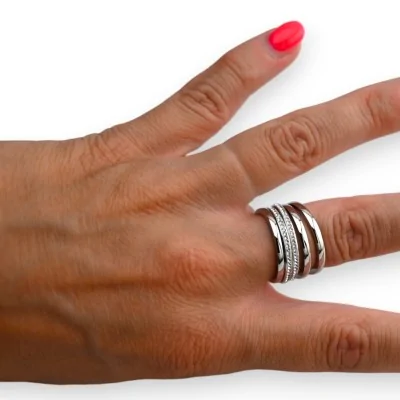
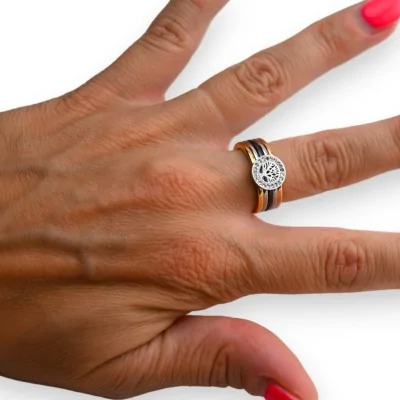
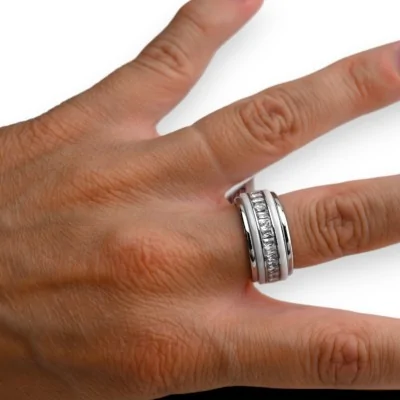
If steel is the right call for you, our stainless steel jewellery collection runs from clean minimalist pieces to bolder silver, gold and two tone designs.
The numbers on a stainless steel label describe its recipe. Grade 304, the everyday standard, blends roughly 18 percent chromium with 8 to 10 percent nickel: the chromium forms the invisible oxide layer that keeps the metal stainless. Grade 316L adds 2 to 3 percent molybdenum, which boosts resistance to salt and chlorine, and the L stands for low carbon. That extra stability is why 316L is nicknamed surgical steel and used for sensitive applications. For jewellery worn daily on the skin, 316L is the more comfortable choice; for occasional pieces, 304 serves perfectly well.
Stainless steel asks very little. Warm water, a drop of mild soap and a soft cloth handle fingerprints, cosmetics and everyday film; a microfibre cloth brings back the shine in seconds. Rinse after the sea or the pool, since salt and chlorine are the only common stressors, and dry before storing. Keep pieces in separate pouches so harder stones cannot scratch the surface. No special dips, no polishing pastes, no anxiety: this low maintenance profile is the quiet luxury of stainless steel jewellery.
Stainless steel is among the most recycled materials on earth, and it recycles without losing quality: yesterday's cutlery can become tomorrow's chain. Durability multiplies the benefit, because a piece that does not tarnish or shed its plating does not need replacing every season. For anyone trying to buy less but better, stainless steel jewellery is one of the easier wins: a modest price, a long life and a material that stays in the loop instead of in a drawer.
Yes. Tap water does not harm stainless steel. Just rinse after the sea or the pool, since salt and chlorine are the only everyday stressors.
For daily life it combines comfort, durability and a low price in one material. You wear it in the shower or at the gym without skin reactions or fading. It is the piece you can forget you are wearing.
It is hard to resize, it holds no precious resale value, and it carries fewer genuine precious stones than fine jewellery. For everyday fashion wear, those limits rarely matter.
No. The green mark comes from copper in cheap alloys reacting with skin. Quality steel contains no such reactive copper, so it leaves no green tint even after long wear in warm weather.
No, not the way silver tarnishes or iron rusts. Its chromium layer blocks both. A greasy film may dull the shine, but a quick wipe brings it back.
It is a common choice once a piercing has healed, thanks to its low reaction and hardness. For a fresh piercing, follow your piercer's advice on the exact grade to use.
Medication in hand luggage: prescriptions, exceptions and security checks Ear piercing for a child: what age, uk rules and safety How to wear pin-up style in 2026 without looking like a costume Liquids in hand luggage: UK airport rules and limits 2026 How to change a watch battery yourself: a step-by-step guide
 Nickel allergy and jewellery: symptoms and safe metals to choose
 What to give a woman who has everything: the anti-duplicate method
 How to change a watch strap: steps and mistakes to avoid