A clear guide to carrying medication in hand luggage: UK rules, the 100 ml exemption, doctor's letters and controlled...


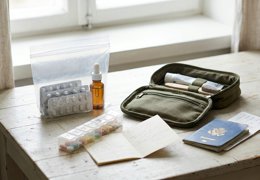
A clear guide to carrying medication in hand luggage: UK rules, the 100 ml exemption, doctor's letters and controlled...

UK rules, clinical age guidance, choosing a safe piercer, first studs and the full healing timeline for a child's ear...

Sizing in inches and centimetres, teeth spacing, spring strain and materials: how to pick a claw clip that actually...

What pin-up style is, how it differs from rockabilly, and how to build the silhouette from clothes you already own.
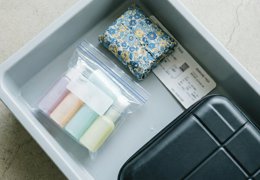
UK airports no longer share one liquids rule. Where the 2 litre allowance applies, where 100ml still stands, and how...


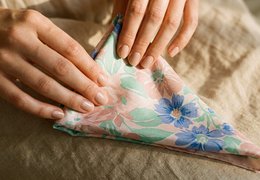



Cleaning a new ear piercing while it heals comes down to one routine done twice a day: soften any crust with sterile saline, wipe the front and back, then pat dry. This guide walks through the steps, the best cleanser, how long healing takes, when you can change the jewellery, and the warning signs of infection.
Wash your hands, soak a sterile gauze pad in saline solution, hold it against the front and back of the piercing for a few seconds to loosen any crust, then wipe gently. Dry with a clean paper towel rather than a bath towel, which harbours bacteria. Clean the piercing twice a day, morning and evening, and resist the urge to do more. Over-cleaning strips the new tissue and slows healing. Let the saline sit for a few seconds rather than scrubbing, and never pick at a stubborn crust: it will lift on its own with each session. Use a fresh pad for each ear so you do not carry bacteria from one side to the other, and bring the solution to room temperature, since cold liquid makes the skin tense.

A few habits make the biggest difference. Saline is the safest cleanser for a fresh wound, so make it your default. Always start with clean hands, change your pillowcase often, and keep hair products, perfume and make-up away from the site. Avoid swimming pools, lakes and hot tubs during the early weeks, since standing water carries bacteria into the healing channel.
The single best thing you can do is leave the piercing alone between cleanings. Never twist or rotate the jewellery: that old advice tears the forming tissue and pushes bacteria inside. Touching, fiddling or removing the post too soon all set healing back. "Leave it the heck alone" sounds blunt, but undisturbed tissue closes faster and cleaner than tissue that is constantly handled.
Healing time depends on the location. A lobe piercing usually settles in six to eight weeks, while cartilage needs far more patience. Cartilage can take up to a year to fully heal, whether it is a helix, tragus or conch. Keep cleaning throughout, even when the surface looks healed, because the inside of the channel heals more slowly than the visible skin.

Wait until the piercing is fully healed before swapping the jewellery, not just until it stops hurting. For a lobe that means at least six to eight weeks; for cartilage, several months. Changing too early reopens the channel and invites infection. When you do change it, choose implant-grade materials. Our guide to ear piercing types covers each placement, and our 316L steel earrings suit sensitive skin.
Mild redness and a little clear fluid are normal early on. Warning signs are different: increasing pain, hot swelling, thick yellow or green discharge, and fever point to infection. Do not remove the jewellery yourself, as that can trap the infection under the skin. See a doctor or your piercer instead. A small firm bump beside a cartilage piercing is not always an infection: it is often an irritation granuloma, which settles once you remove the cause, such as friction or a too-tight post, and keep cleaning with saline. Browse healed-skin options in our earrings collection once the area has settled.
Clean it with sterile saline twice a day and leave the jewellery in place. If pain, swelling or yellow discharge continue beyond two days, see a healthcare professional. Avoid alcohol, hydrogen peroxide and over-the-counter antibiotic creams unless a doctor recommends them, as they can irritate the wound further.
Yes, a mild fragrance-free soap once a day in the shower is fine, as long as you rinse thoroughly and leave no residue. The rest of the time, saline is enough. Skip scented or antibacterial soaps, which are too harsh for healing tissue.
Twice a day, morning and evening, is the recommended frequency. Cleaning more often irritates the skin and delays healing rather than speeding it up. Consistency matters more than quantity, so two gentle sessions beat five aggressive ones.
No, rotating the earring is no longer advised. The motion breaks fresh tissue and drags bacteria through the channel. Leave the post still and simply clean the front and back without moving it.
Avoid pools, lakes, the sea and hot tubs during the first few weeks. Standing and chlorinated water carry bacteria into the open channel and can cause infection. If you must swim, a waterproof patch offers limited protection, but staying out of the water is safer.
Mode Tendance, jewellery and accessories editorial team. Published 20 June 2026. This article is for general information and does not replace advice from a doctor or a qualified piercer. Sources: American Academy of Dermatology (aad.org), caring for pierced ears; Mayo Clinic (mayoclinic.org), piercings and preventing complications; Association of Professional Piercers (safepiercing.org), aftercare guidelines.
 Medication in hand luggage: prescriptions, exceptions and security checks Ear piercing for a child: what age, uk rules and safety How to wear pin-up style in 2026 without looking like a costume Liquids in hand luggage: UK airport rules and limits 2026
 How to change a watch battery yourself: a step-by-step guide
 Nickel allergy and jewellery: symptoms and safe metals to choose
 What to give a woman who has everything: the anti-duplicate method
 How to change a watch strap: steps and mistakes to avoid