A clear guide to carrying medication in hand luggage: UK rules, the 100 ml exemption, doctor's letters and controlled...


A clear guide to carrying medication in hand luggage: UK rules, the 100 ml exemption, doctor's letters and controlled...

UK rules, clinical age guidance, choosing a safe piercer, first studs and the full healing timeline for a child's ear...

Sizing in inches and centimetres, teeth spacing, spring strain and materials: how to pick a claw clip that actually...

What pin-up style is, how it differs from rockabilly, and how to build the silhouette from clothes you already own.

UK airports no longer share one liquids rule. Where the 2 litre allowance applies, where 100ml still stands, and how...


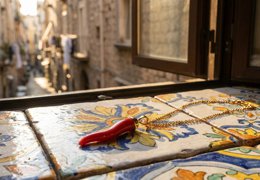



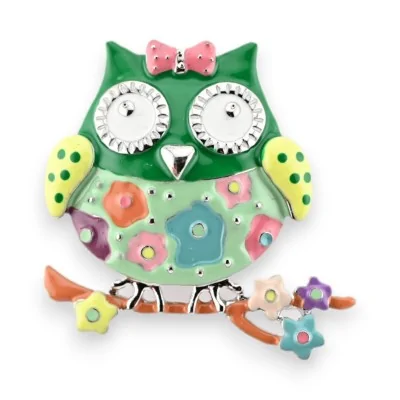
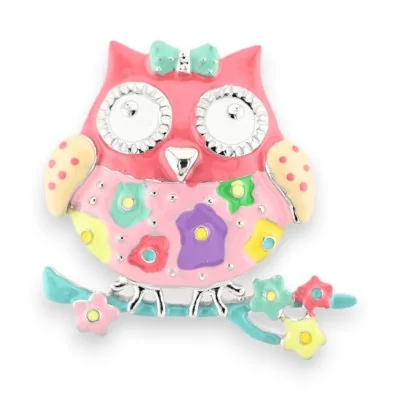
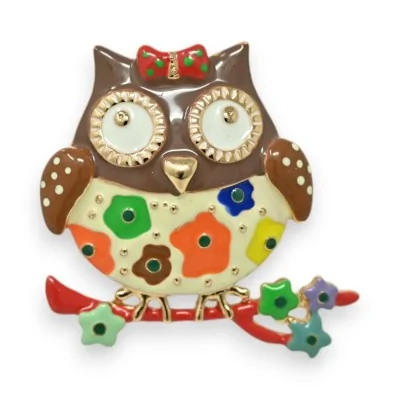
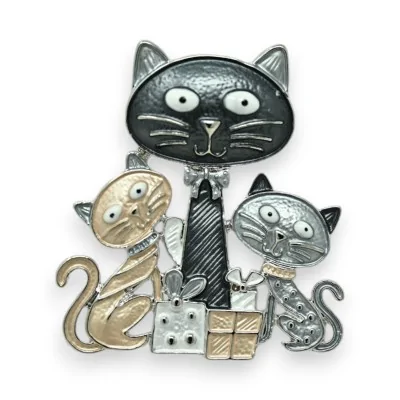
Cats, dogs, owls and elephants did not land on our jewellery by accident. From ancient Egypt to the great Parisian houses, animal jewellery has served as talisman, statement and signature. Knowing what each creature means helps you pick a piece that feels like you, or give one that truly says something.
Egyptians wore scarabs of rebirth and amulets of the cat goddess Bastet. Medieval bestiaries then codified a whole moral language of animals that jewellers recycled for centuries. Art nouveau put fauna centre stage, with René Lalique's dragonflies and peacocks still defining the genre. In the twentieth century the houses turned animals into emblems: Cartier's panther, first seen in 1914 and made a signature under Jeanne Toussaint, or Elsa Schiaparelli's surrealist menagerie of the thirties. Today's animal jewellery, down to affordable fashion pieces, inherits both threads: the talisman and the wink.
British jewellery has its own bestiary chapter. Prince Albert proposed to Queen Victoria in 1839 with a serpent ring, the snake standing for eternal love, and the motif swept through Victorian sentimental jewellery alongside swallows for homecoming and doves for devotion. That tradition of animals as coded messages is exactly what makes animal jewellery such a satisfying gift today: the meaning is built in.

Bastet's heir stands for independence, intuition and an elegance that asks nobody's permission. For personalities with a private side.
From bestiaries to old portraits, the dog means faithfulness. Worn as jewellery it is often a tribute to a real companion, which makes it the most affectionate motif of all.
Athena's companion sees through the dark; tradition made it the emblem of wisdom and clear thinking. A quiet motif for reflective minds.
Legendary memory, gentle strength and, in several Asian traditions, household protection: the elephant is one of the world's favourite good-luck charms.
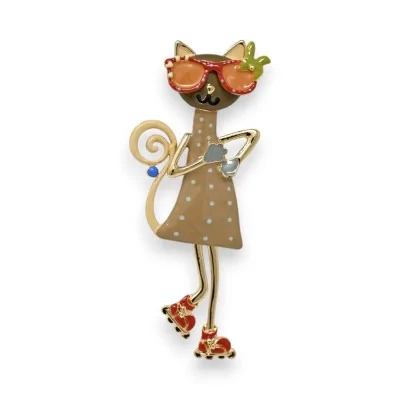
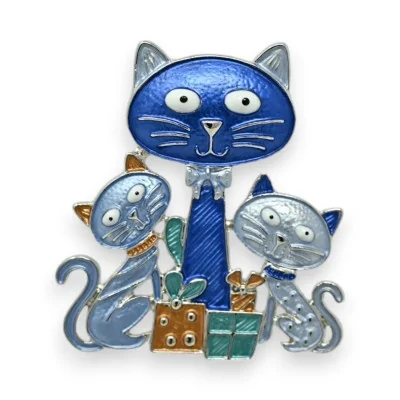
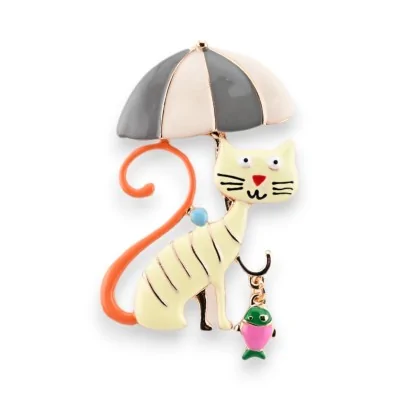
Start with affinity: the animal should echo something personal, a trait or a memory. Then the message: a dog for loyalty, an elephant for luck, an owl to mark an achievement, a cat for an independent spirit. Then the style: realistic creatures suit sober outfits, stylised ones play well with bolder looks. To go from symbol to object, our animal brooches collection covers the whole bestiary, and cat lovers have a feline collection of their own.
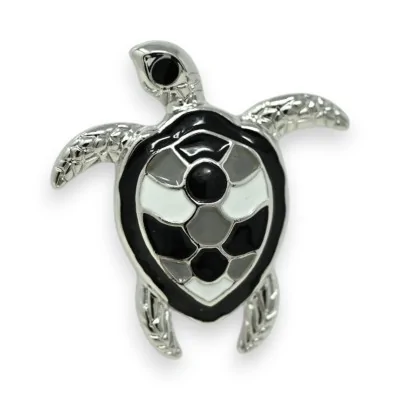
The bestiary does not stop at the big four. The mouse, tiny and mischievous, is the motif of quiet humour: worn as a wink rather than a statement, it disarms outfits that take themselves too seriously. The turtle carries millennia of symbolism, longevity, patience and the wisdom of slow time; in several Pacific and Asian traditions it literally carries the world on its back. The fish speaks of prosperity and abundance, from Chinese carp to Mediterranean silver fish. These less expected motifs hold one very practical advantage: they tell a story nobody else in the room is wearing. In a collection of animal jewellery, they are usually the conversation starters.
An animal motif works like a colour: it needs dosing. On a plain blazer or a sober dress it becomes the focal point and can afford to be figurative and detailed. On a print or an already expressive outfit, a stylised, almost geometric animal reads as a shape before it reads as a creature. As for occasions, the office likes discreet silver-toned animals, dinner welcomes gold and crystal eyes, and the festive season is the time for the boldest pieces. The rule is the same as for the rest of the wardrobe: one protagonist at a time.
British searches show a real appetite for vintage animal jewellery, and the second-hand market rewards the curious. Three tips from the collectors' playbook: check the back, since quality vintage pieces are as well finished behind as in front; learn the period tells, with Victorian snakes and swallows, Art nouveau dragonflies and seventies big cats each dating a piece at a glance; and favour motifs over makers if your budget is modest, because an anonymous but charming owl will always outdress a tired signature. A vintage animal is the bestiary with a second life story attached.
The most eloquent one: a dog for loyal affection, an elephant to wish luck and protection, an owl to celebrate an achievement, a cat for an independent personality.
By tradition, some motifs are, especially the elephant and the turtle. It is symbolic value rather than a guaranteed effect, which is exactly what makes it a thoughtful gift.
Not at all, it is a matter of treatment: a stylised animal in gold or silver tones reads as classic, as the great houses' emblems prove at every age.
Yes, keep the tones consistent. Two motifs in different sizes work nicely; beyond that, one strong animal speaks louder.
 Hoop Earring Trends 2026: 8 Looks to Wear Now Autumn/Winter 2026 jewellery trends: 7 pieces to adopt
 Bee in the House: Meaning, Symbolism and Superstition
 Labradorite vs moonstone: how to tell them apart
 What it means when a butterfly comes into your house
 How to cleanse and charge crystals: the complete guide
 Which side to wear a brooch: the rule explained
 Bee symbolism: meaning, the Manchester worker bee and spiritual sense